

Can Allergic Rhinitis Cause Swollen Lymph Nodes in the Neck? Reactive Lymphadenopathy Explained
Written by: Dr. Muhammad Ihsan Ullah, PhD
Expertise: Pharmacology, Allergy & Immune Response Research
Medically reviewed by: Dr. Ali Raza Dogar, MBBS, ENT
Specialty: Otolaryngology (ENT), Upper Respiratory Health
Last updated: September 25, 2026
Allergic rhinitis is one of the most common inflammatory conditions affecting the upper respiratory tract. It can cause sneezing, nasal congestion, itchy eyes, and postnasal drip. However, some people notice small lumps or swelling in their neck during allergy flare-ups and wonder whether allergic rhinitis can affect their lymph nodes.
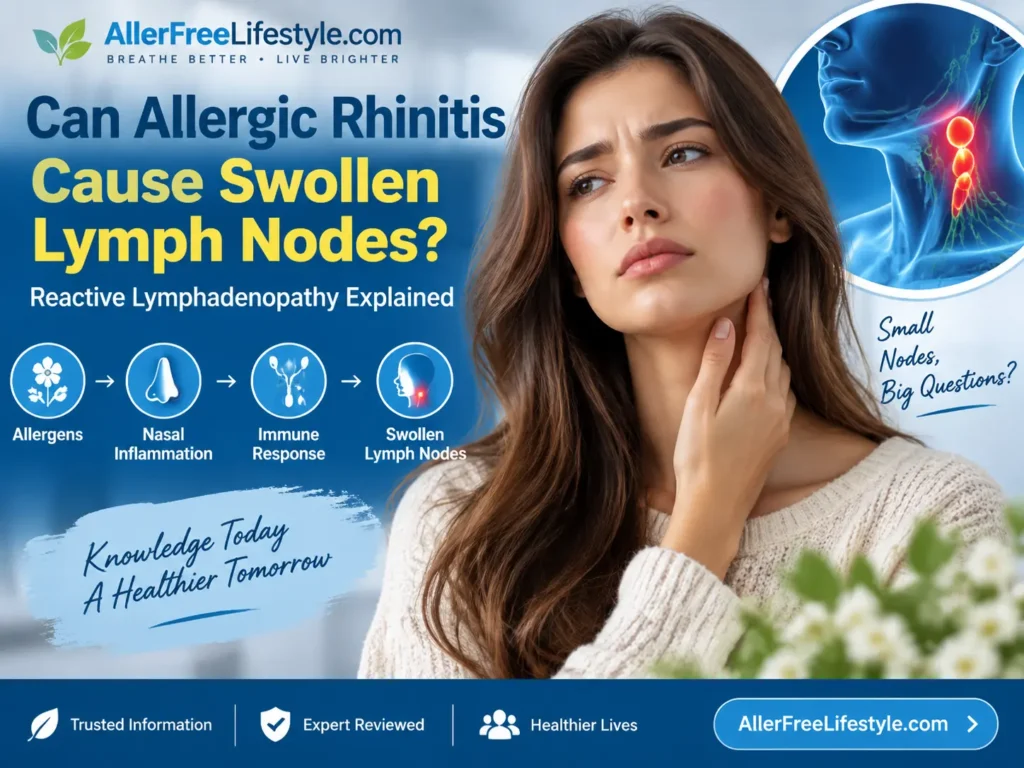
The connection between allergic rhinitis and swollen lymph nodes is related to the way the immune system responds to inflammation. While enlarged neck lymph nodes are more commonly associated with infections, allergic inflammation may occasionally contribute to mild immune-related changes in nearby lymphatic tissues.
Allergic rhinitis is not a common direct cause of enlarged neck lymph nodes, but ongoing immune activity from nasal inflammation may occasionally contribute to mild reactive changes in nearby lymphatic tissues. Persistent, unusual, or rapidly enlarging lymph node swelling should be evaluated to identify the underlying cause.
Can Allergic Rhinitis Cause Swollen Lymph Nodes in the Neck?
Allergic rhinitis may sometimes be associated with mild swelling of the cervical lymph nodes, although this is not considered a classic symptom of allergies.
When a person with allergic rhinitis encounters allergens such as pollen, dust mites, mold, or pet dander, the immune system activates an inflammatory response. This process involves allergen-specific IgE antibodies, mast cells, histamine release, and inflammatory mediators that affect the nasal passages and surrounding tissues.
Because lymph nodes act as immune monitoring centers, nearby cervical lymph nodes may respond to ongoing inflammation. This response is known as reactive lymphadenopathy, meaning the lymph nodes enlarge because they are responding to immune activity rather than because of a disease within the lymph node itself.
However, noticeable or persistent lymph node enlargement should not automatically be attributed to allergies because infections remain one of the most common causes of swollen neck lymph nodes.
How Does Allergic Rhinitis Affect the Lymphatic System?
The lymphatic system supports immune protection by filtering lymph fluid and helping immune cells communicate with each other.

During allergic rhinitis, the immune response follows several steps:
- An allergen enters the nasal passages.
- Immune cells recognize the allergen.
- IgE antibodies activate mast cells.
- Mast cells release histamine and inflammatory substances.
- Inflammation develops in the nasal and upper airway tissues.
This ongoing immune activity may influence nearby lymphatic tissues, including lymph nodes located around the neck and jaw. These nodes help monitor changes occurring in areas connected to the respiratory tract.
IgE-mediated immune pathways and mast cell activation are important mechanisms involved in allergic diseases, including allergic rhinitis (1).
Why Can Allergies Cause Swollen Glands in the Neck?
The term “swollen glands” commonly refers to enlarged lymph nodes. These structures are small immune organs that help the body detect and respond to foreign substances.
During an allergy flare, inflammation in the nose, throat, and upper airway may increase immune activity around nearby tissues. Some individuals may notice mild swelling or tenderness in lymph nodes located:
- Under the jaw
- Along the sides of the neck
- Near the throat region
This type of swelling is usually mild and temporary. It reflects immune activity rather than a direct allergic enlargement of the lymph node.
If swelling becomes large, painful, hard, or continues for an extended period, another cause should be considered.
Can Allergic Rhinitis Cause Reactive Lymphadenopathy?
Reactive lymphadenopathy describes lymph node enlargement caused by immune system activation. It is a response pattern rather than a specific disease.
In people with allergic rhinitis, reactive lymph node changes may occur because the immune system remains active during prolonged allergen exposure. The lymph nodes support immune cell activity and help process inflammatory signals from nearby tissues.
Features that may suggest mild reactive lymphadenopathy include:
- Small and movable lymph nodes
- Mild tenderness or no pain
- Temporary enlargement
- Occurrence alongside allergy symptoms
Cervical lymphadenopathy associated with allergic inflammation is generally different from lymph node enlargement caused by infections, where fever, significant pain, and systemic symptoms are more common.
Can Seasonal Allergies Cause Swollen Lymph Nodes?
Seasonal allergies, also known as hay fever or seasonal allergic rhinitis, occur when the immune system reacts to airborne allergens such as pollen.
During periods of increased pollen exposure, some individuals experience stronger inflammatory responses. This may include:
- Increased nasal congestion
- Throat irritation
- Persistent postnasal drainage
- Greater immune activity in nearby tissues
These inflammatory changes may occasionally be associated with mild neck lymph node swelling.
However, seasonal allergies are not among the most common causes of enlarged lymph nodes. When allergy symptoms are accompanied by fever, severe throat pain, or worsening illness, infection should also be considered.
Allergy-Related Swollen Lymph Nodes vs. Infection-Related Swollen Lymph Nodes
Feature | Allergy-Related Reactive Lymph Nodes | Infection-Related Swollen Lymph Nodes |
Main trigger | Allergic inflammation from pollen, dust, mold, or other allergens | Viral or bacterial infection |
Immune mechanism | IgE-related allergic inflammation | Immune response against infectious organisms |
Common symptoms | Sneezing, itching, congestion, watery eyes, postnasal drip | Fever, sore throat, fatigue, body aches |
Lymph node tenderness | Usually mild or absent | Often more noticeable |
Duration | May improve as allergy inflammation decreases | Depends on infection recovery |
Common location | Cervical lymph nodes near affected tissues | Lymph nodes near the infection site |
Swollen lymph nodes are frequently linked with infections because lymph nodes actively respond to infectious organisms and inflammatory signals (2).
Can Postnasal Drip From Allergies Cause Swollen Lymph Nodes?
Postnasal drip is a common symptom of allergic rhinitis. It occurs when mucus from the nasal passages drains into the throat, causing irritation.
Long-lasting throat irritation may increase immune activity in nearby tissues, including lymphoid structures around the throat and neck.
Some people may experience:
- Throat discomfort
- Mild neck tenderness
- Awareness of small lymph nodes
However, postnasal drip alone does not usually cause significant lymph node enlargement. Persistent swelling should be assessed to determine whether allergies, infection, or another condition is responsible.
When Should You Seek Medical Advice About Neck Lymph Node Swelling?
Although mild reactive lymph node changes can occur with immune activity, certain signs require professional evaluation.
Seek medical advice if you notice:
- Lymph nodes increasing in size
- Hard or fixed lymph nodes
- Swelling lasting several weeks
- Unexplained fever
- Night sweats
- Unintentional weight loss
- Difficulty swallowing or breathing
These findings do not always indicate a serious condition, but they should not be ignored or automatically linked to allergies.
Final Thoughts
Allergic rhinitis may occasionally contribute to mild swollen lymph nodes in the neck through ongoing immune activation and inflammation. This response is generally described as reactive lymphadenopathy.
The presence of swollen cervical lymph nodes does not always mean allergies are the cause. The overall pattern of symptoms, duration of swelling, and associated signs are important when determining the likely explanation.
Understanding the relationship between allergic rhinitis, immune responses, and the lymphatic system can help distinguish temporary immune reactions from symptoms requiring further medical evaluation.
Medical Disclaimer
The information provided in this article is for educational purposes only and should not be considered a substitute for professional medical advice, diagnosis, or treatment. If you have persistent, worsening, or concerning symptoms, consult a qualified healthcare professional.
Frequently Asked Questions
Can allergic rhinitis cause swollen lymph nodes in the neck?
Allergic rhinitis may occasionally contribute to mild reactive lymph node swelling, but enlarged neck lymph nodes are not a typical allergy symptom.
Are swollen glands in the neck always caused by allergies?
No. Swollen neck glands can occur due to infections, inflammation, immune responses, and other medical conditions.
What does reactive lymphadenopathy mean in allergic rhinitis?
Reactive lymphadenopathy means lymph nodes enlarge because they are responding to immune activity rather than a primary lymph node disorder.
How can I tell if swollen lymph nodes are from allergies or infection?
Allergy-related swelling usually occurs with sneezing, congestion, or postnasal drip, while infections are more likely to cause fever, pain, and feeling unwell.
When should I see a doctor about swollen neck lymph nodes?
Medical advice should be considered if lymph nodes grow, remain enlarged for weeks, feel hard or fixed, or occur with unexplained systemic symptoms.
References
- Galli SJ, Tsai M. IgE and mast cells in allergic disease. Nature Medicine. 2012;18(5):693–704.
doi: 10.1038/nm.2755 - Nur Husna SM, Tan HT, Md Shukri N, Mohd Ashari NS, Wong KK. Allergic Rhinitis: A Clinical and Pathophysiological Overview. Frontiers in Medicine. 2022;9:874114.
doi: 10.3389/fmed.2022.874114