

Allergic Rhinitis Treatment in Children
Written by: Dr.Muhammad Ihsan Ullah, PhD
Medically reviewed by: Dr. Muhammad Sohail,FCPS
Last updated on February 08,2026
Safe, Effective & Parent-Approved Management Guide
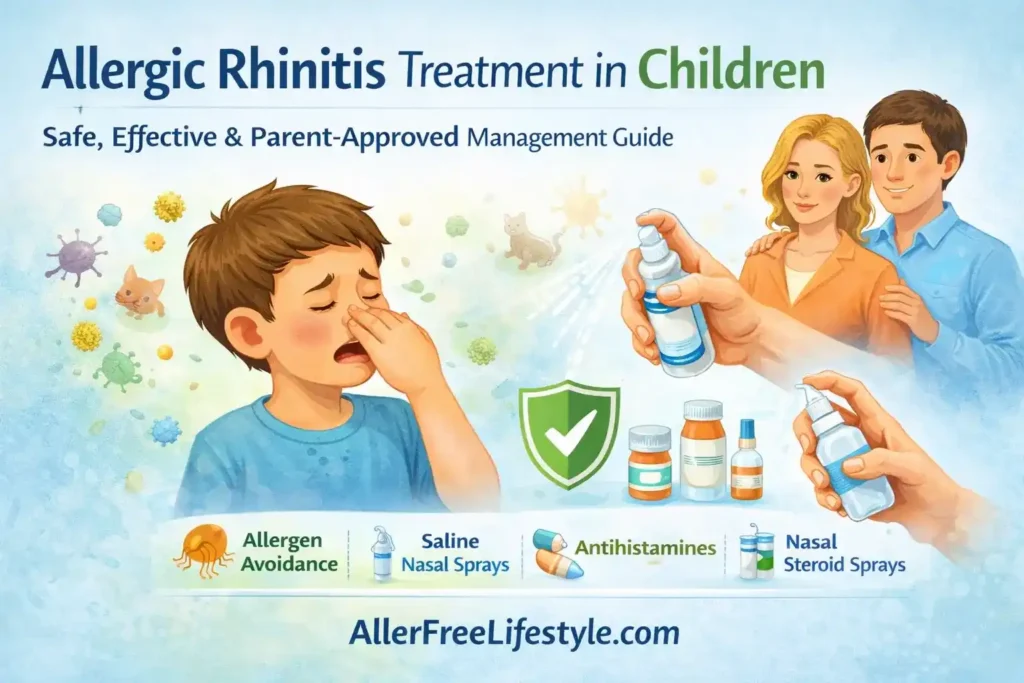
Allergic rhinitis (hay fever) is one of the most common chronic conditions in children, affecting school performance, sleep quality, behavior, and overall growth. Parents often worry about safe treatments, long-term medication use, and whether allergies will turn into asthma.
This guide explains how allergic rhinitis is treated in children, using evidence-based medical care, lifestyle measures, and age-appropriate natural support without overmedication.
What Is Allergic Rhinitis in Children?
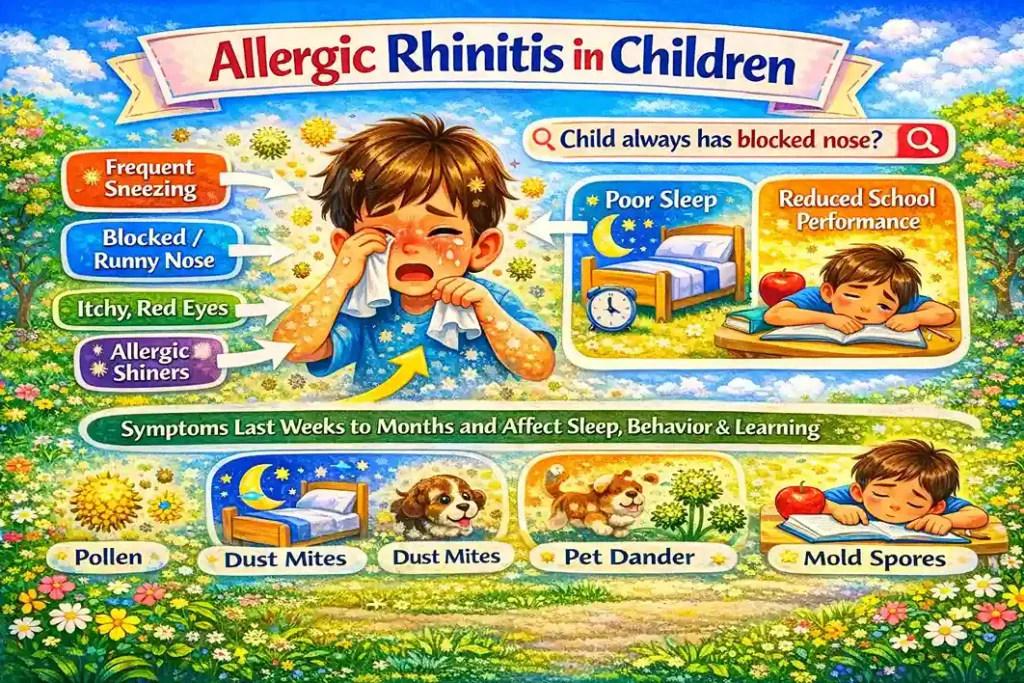
Allergic rhinitis in children occurs when the immune system overreacts to harmless airborne allergens, such as:
- Pollen (seasonal allergies)
- Dust mites
- Pet dander
- Mold spores
This immune response releases histamine, leading to nasal inflammation and congestion. Allergic rhinitis is a common pediatric condition with significant impact on quality of life (ACA AI; 2025).
Common Symptoms of Allergic Rhinitis in Children
Parents often search for:
- “Child always has blocked nose”
- “Why does my child sneeze every morning?”
Typical symptoms include:
- Frequent sneezing
- Runny or blocked nose
- Mouth breathing
- Itchy nose or eyes
- Dark circles under eyes (“allergic shiners”)
- Snoring or disturbed sleep
- Daytime fatigue or poor concentration
Unlike colds, symptoms last weeks to months and are not contagious. Hay fever is not caused by a virus and does not typically cause fever (ACA AI; 2025).
Treatment Goals for Allergic Rhinitis in Children
The aim of treatment is to:
✔ Relieve nasal congestion and sneezing
✔ Improve sleep and school performance
✔ Reduce medication dependence where possible
✔ Prevent asthma and sinus complications
✔ Maintain normal growth and development
Step-by-Step Treatment of Allergic Rhinitis in Children
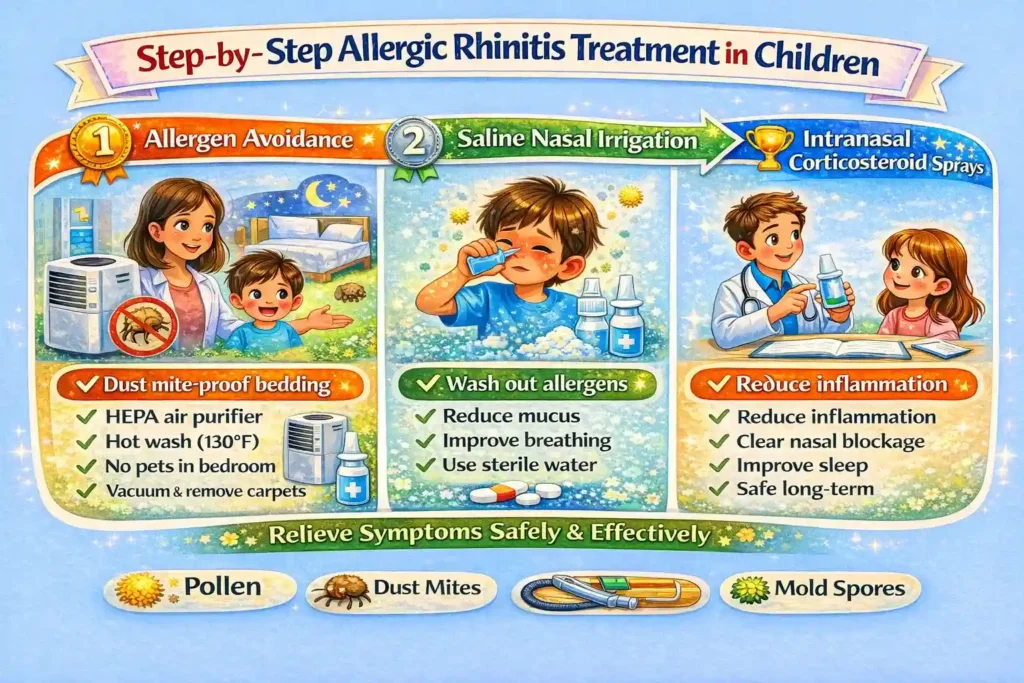
Step 1: Allergen Avoidance (First-Line & Safest)
Allergen avoidance is the foundation of treatment.
Home-based strategies:
- Use dust-mite-proof mattress and pillow covers
- Wash bedding weekly in hot water (≥54°C / 130°F)
- Keep pets out of the child’s bedroom
- Remove carpets where possible
- Use HEPA air purifiers in sleeping areas
- Keep windows closed during high pollen days
Many children improve significantly with environmental control alone (ARIA Guidelines; 2024–2025).
Step 2: Saline Nasal Irrigation (Very Safe)
Saline sprays or gentle rinses:
✔ Wash out pollen and dust
✔ Reduce mucus and congestion
✔ Improve breathing
✔ Are safe for long-term use
Best for:
- Toddlers (sprays)
- School-age children (sprays or squeeze bottles)
Saline nasal irrigation significantly improves allergic rhinitis symptoms in children and serves as a safe adjunctive treatment (Singh et al., 2025).
Step 3: Antihistamines for Children (When Needed)
Parents often ask:
👉 “Which antihistamine is safe for children?”
Preferred options (non-sedating):
- Cetirizine
- Loratadine
- Desloratadine
✔ Reduce sneezing, itching, runny nose
✔ Generally safe when dosed correctly
❌ Avoid first-generation antihistamines (e.g., diphenhydramine) due to:
- Drowsiness
- Learning impairment
- Behavioral effects
Intranasal antihistamines (e.g., azelastine) may also reduce symptoms when medically indicated, although dosing and age guidelines vary (ARIA Guidelines; 2024–2025).
Step 4: Intranasal Corticosteroid Sprays (Most Effective)
For moderate to severe allergic rhinitis, nasal steroid sprays are the most effective treatment.
Common pediatric options:
- Fluticasone
- Mometasone
- Budesonide (preferred in pregnancy & children)
✔ Reduce inflammation
✔ Improve nasal blockage
✔ Improve sleep and breathing
📌 When used correctly:
- Safe for long-term use
- Do NOT stunt growth at recommended doses
Intranasal corticosteroids are the most effective monotherapy for nasal congestion and symptom control in children (Medscape; 2025).
Treatment by Child’s Age
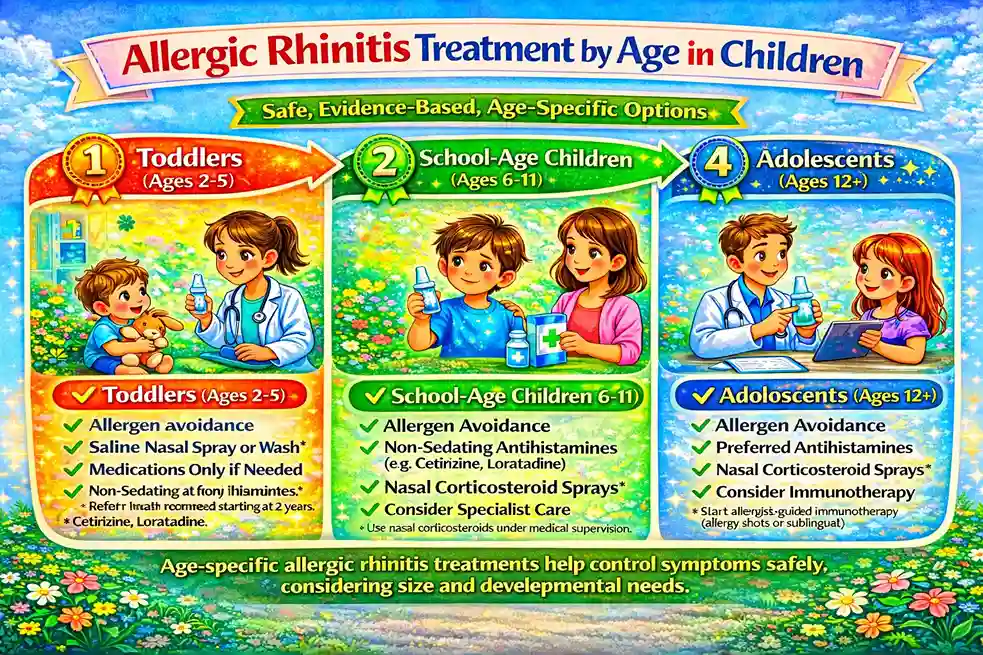
👶 Toddlers (1–3 years)
- Saline sprays
- Environmental control
- Limited medication (doctor-guided)
🧒 Preschool & School-Age Children
- Saline + antihistamines
- Nasal steroid sprays if persistent
- HEPA air purification
👦 Adolescents
- Full treatment options
- Consider immunotherapy if severe
Allergen Immunotherapy in Children (Long-Term Option)
Immunotherapy is the only treatment that modifies the allergic disease itself.
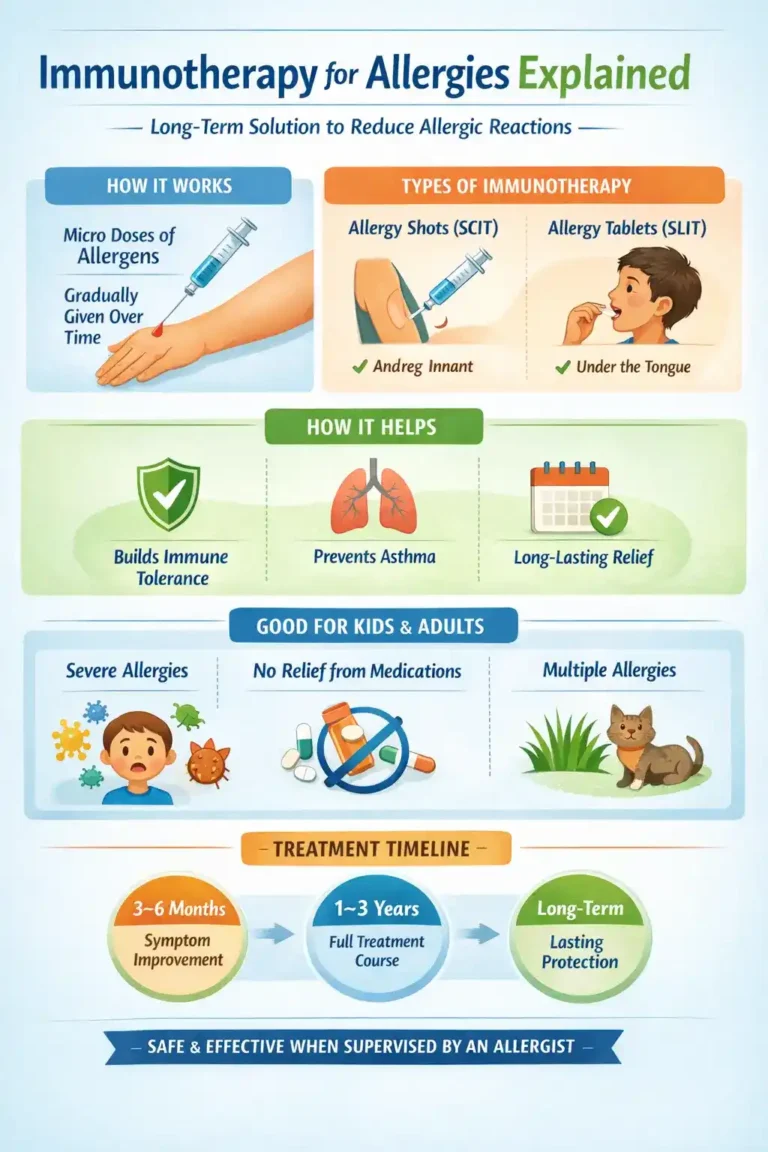
Types:
- SCIT (Allergy shots) – clinic based
- SLIT (Sublingual tablets) – home use (dust mite, grass)
✔ Reduces symptoms long-term
✔ May prevent asthma development
✔ Safe and effective in children
Recommended for:
- Severe symptoms
- Poor response to medications
- Multiple allergies
Immunotherapy shows long-lasting benefits for allergic rhinitis and may alter disease progression (Allergen immunotherapy overview; 2025).
Natural & Lifestyle Support for Children (Adjunct Only)
Safe supportive measures include:
✔ Balanced anti-inflammatory diet
✔ Adequate vitamin D (doctor-guided)
✔ Regular physical activity
✔ Nasal hygiene routines
✔ Good sleep schedule
⚠️ Herbal supplements should never replace medical therapy in children.
Allergic Rhinitis vs Common Cold in Children
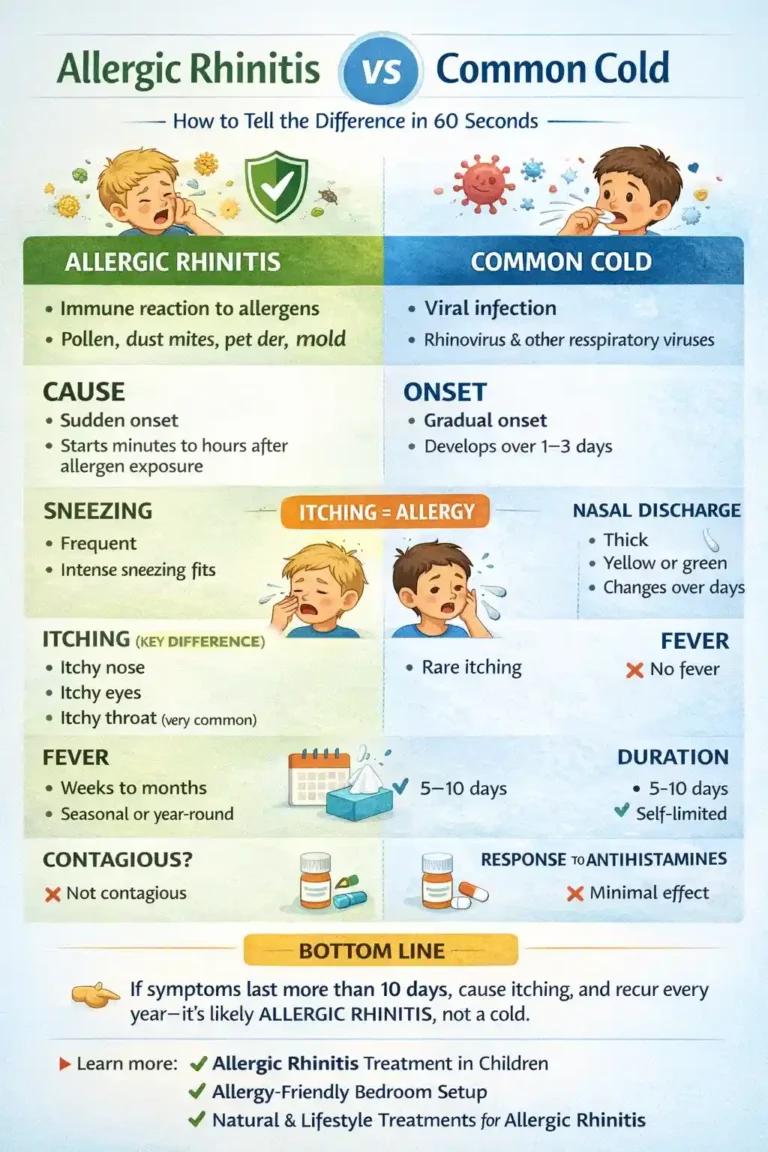
Feature | Allergic Rhinitis | Common Cold |
Cause | Allergens | Virus |
Fever | No | Common |
Duration | Weeks–months | 7–10 days |
Itching | Common | Rare |
Nasal discharge | Clear | Thick/colored |
Contagious | No | Yes |
When to See a Doctor or Allergist
Consult a specialist if:
- Symptoms persist >4 weeks
- Child snores or mouth-breathes
- School performance declines
- Asthma symptoms appear
- Repeated sinus or ear infections occur
Key Takeaways for Parents
✔ Allergic rhinitis is common but manageable
✔ Environmental control is the safest first step
✔ Nasal sprays are highly effective and safe
✔ Avoid sedating antihistamines
✔ Early treatment improves sleep and learning
✔ Immunotherapy offers long-term relief
Medical Review Disclaimer
This article is for informational and educational purposes only and does not constitute medical advice. The content is written by a qualified healthcare professional and medically reviewed for accuracy. However, it should not be used as a substitute for professional medical diagnosis, treatment, or advice. Always consult a licensed healthcare provider regarding any medical condition or health concern.
Frequently Asked Questions(FAQs )
1. What is the safest treatment for allergic rhinitis in children?
Allergen avoidance and saline nasal sprays are the safest first steps. Medicines are added only if needed.
2. Are nasal steroid sprays safe for children?
Yes. When used correctly, modern nasal steroid sprays are safe and do not affect growth.
3. Which antihistamines are best for children?
Non-sedating antihistamines like cetirizine or loratadine are preferred.
4. How is allergic rhinitis different from a cold in children?
Allergies cause itching and long-lasting symptoms without fever, unlike colds.
5. Can allergic rhinitis affect sleep and learning?
Yes. Poor sleep from nasal blockage can reduce focus and school performance.
6. When should a child see an allergist?
If symptoms last over 4 weeks or affect sleep, school, or breathing.
References
1. American College of Allergy, Asthma & Immunology. (2025). Hay fever (rhinitis): Allergic conditions in children. https://acaai.org/allergies/allergic-conditions/hay-fever/
2. Li, S., et al. (2025). Nasal saline irrigation with azelastine-fluticasone nasal spray in moderate-to-severe persistent allergic rhinitis [Article]. Frontiers in Allergy. Frontiers in Allergy.
3. Medscape. (2025, Aug 6). Pediatric allergic rhinitis treatment & management. https://emedicine.medscape.com/article/889259-treatment
4. Singh, N., Singh, S., Kumar Sharma, A., Singh, U., Bhatnagar, V., & Singh, V. (2025). Efficacy of hypertonic saline nasal irrigation in allergic rhinitis: A systematic review and meta-analysis. Allergologia et Immunopathologia, 53(5), 164–178.
5. Sousa-Pinto, B. et al. (2025). ARIA 2024-2025 guidelines for the management of allergic rhinitis. Journal of Allergy and Clinical Immunology.