

Can Allergies Cause Anxiety or Panic Attacks?
Written by: Dr.Muhammad Ihsan Ullah, PhD
Medically reviewed by: Dr.Hafiz Muhammad Kashif, MD
Last updated on May 30 ,2026
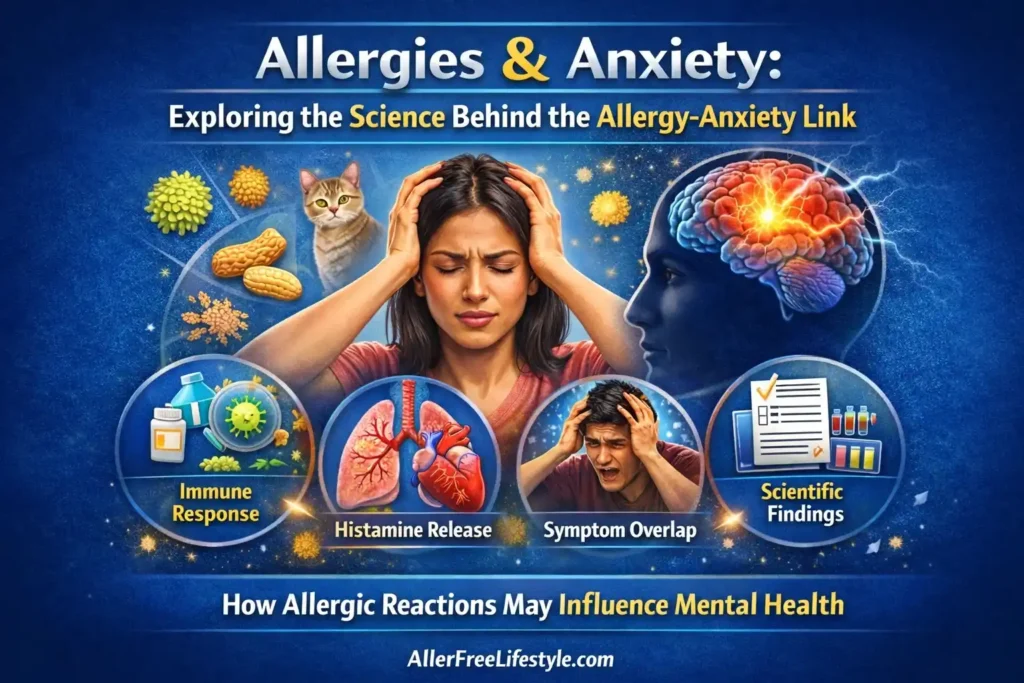
Yes, allergies may contribute to anxiety symptoms and panic-like feelings, especially when allergic reactions cause shortness of breath, chest tightness, dizziness, rapid heartbeat, poor sleep, or fear of future flare-ups. During seasonal allergies, food allergies, asthma, allergic rhinitis, or severe allergic reactions, the immune system releases histamine and inflammatory chemicals that may affect both the body and brain. This is why many people search for answers like “can allergies cause anxiety/stress,” “can allergies trigger panic attacks,” “allergy symptoms that feel like anxiety,” and “seasonal allergies and anxiety.” In this article, we explain how allergies, inflammation, histamine, and the immune system may be linked to anxiety, panic symptoms, and mental health.
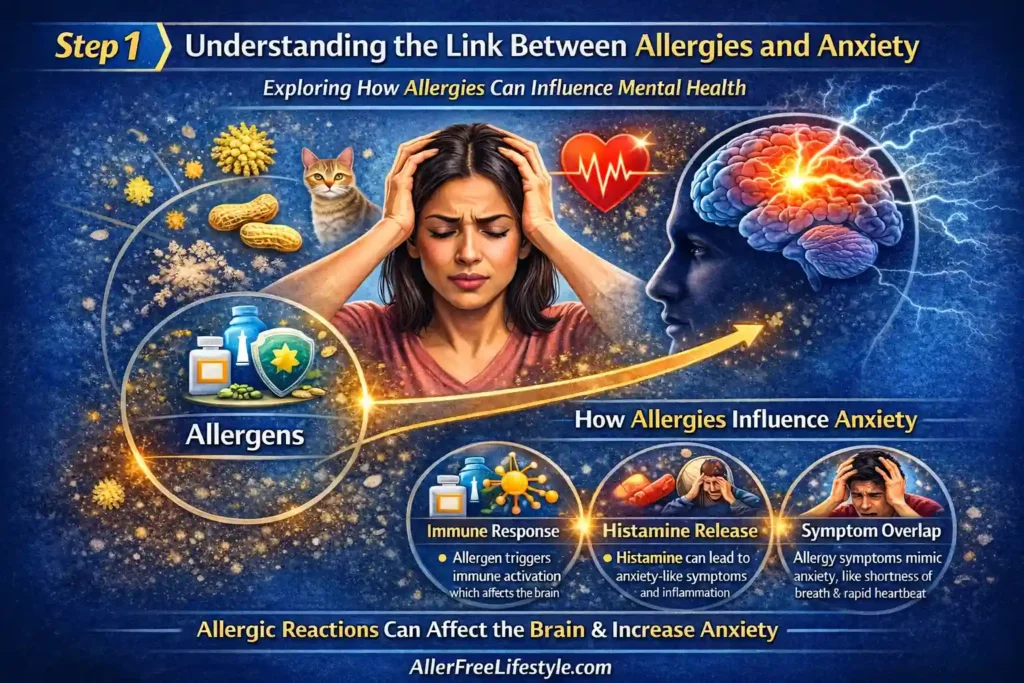
Can Allergies Trigger Anxiety or Panic Attacks?
While many people experience emotional distress during allergy flare-ups, is there a direct connection between allergies and anxiety? Can allergies lead to panic-like episodes? The research indicates yes—allergies can indeed exacerbate anxiety and trigger panic attacks in susceptible individuals.
Recent studies highlight significant correlations between allergic diseases and the emotional burden they impose. The 2025 cohort study found that patients with allergic rhinitis, asthma, or food allergies were significantly more likely to experience generalized anxiety and panic disorder compared to the general population (Diwakar, et al. 2025).
- Food allergy sufferers experience heightened anxiety, with over 50% of individuals reporting anxiety symptoms, and nearly 30% reporting panic episodes associated with their allergic reactions (Casale, et al. 2024).
- Another study found that individuals with severe allergies reported increased anxiety and sleep disruption as a result of chronic allergic symptoms.
These findings underscore that allergic conditions can significantly affect the mental health of individuals, contributing to both anxiety and panic attacks.
The Biological Mechanisms Linking Allergies and Anxiety
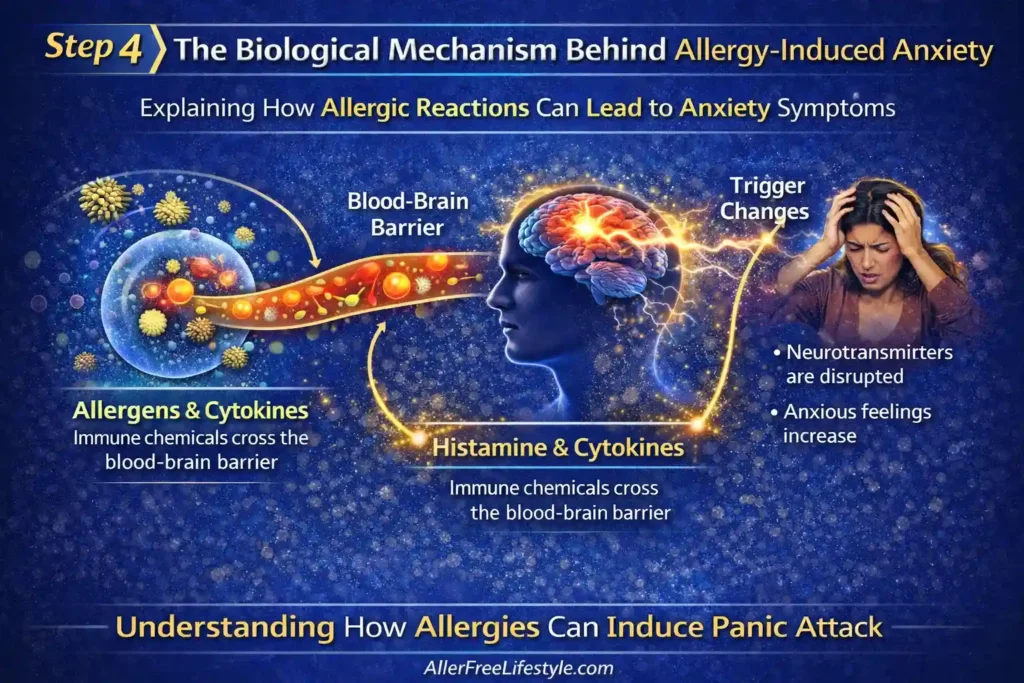
To understand how allergies can affect anxiety, we need to look at the immune system’s response to allergens and its subsequent effects on the brain.
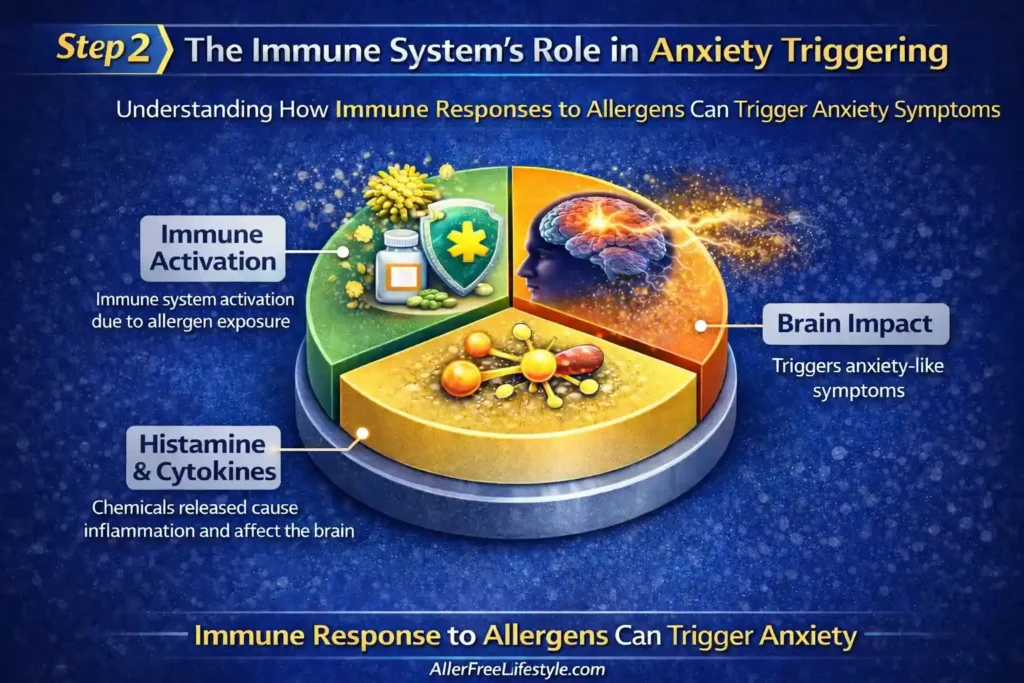
Immune System and the Brain: A Two-Way Communication
When your immune system encounters an allergen, it triggers a cascade of immune responses. The body releases histamine, cytokines, and pro-inflammatory mediators. These substances, while helping the body fight off the allergen, can also impact the brain.
- Histamine, the well-known culprit behind allergy symptoms, also plays a key role in regulating serotonin and dopamine — neurotransmitters that influence mood, anxiety, and stress response. (Doctronic.ai 2026)
- Cytokines released during an allergic reaction can influence brain activity, particularly in areas that regulate mood and fear responses.
The immune system-brain connection is a key pathway through which allergies may influence anxiety and panic responses. The more intense the allergic reaction, the greater the potential for anxiety symptoms to emerge.
Inflammation and Brain Function: The Hidden Link
Chronic allergic inflammation doesn’t just affect the skin or respiratory system; it can have lasting effects on the brain.
- Cytokines, the chemicals released during inflammation, can travel to the brain and alter emotional regulation. This chronic inflammatory state can make the brain more susceptible to stress and anxiety.
- The HPA (Hypothalamic–Pituitary–Adrenal) axis, a critical part of the body’s stress-response system, is often overstimulated in people with allergies, contributing to heightened anxiety sensitivity.
Physical Allergy Symptoms and Their Impact on Anxiety
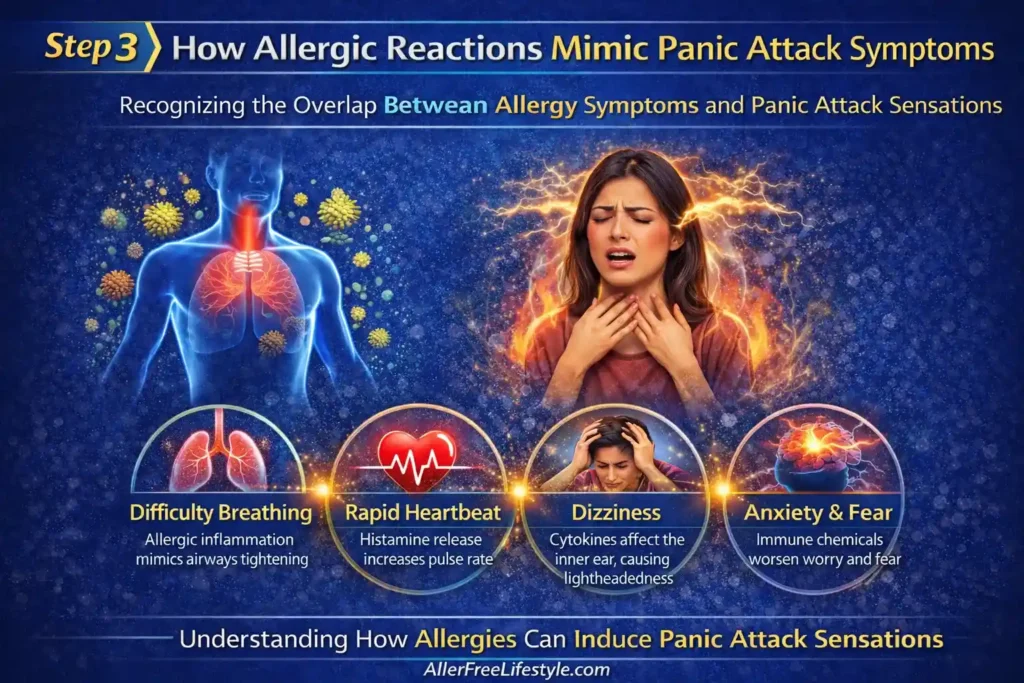
Allergy symptoms can often mimic the early signs of panic attacks or anxiety:
- Shortness of breath
- Rapid heart rate (palpitations)
- Dizziness or light-headedness
- Chest tightness or discomfort
When someone experiences these symptoms during an allergic reaction, their brain may interpret them as signs of danger, even though the symptoms are physically linked to the allergy. This misinterpretation can trigger a panic response, amplifying anxiety.
The Symptom Overlap Between Allergies and Panic Attacks
Panic attacks are characterized by sudden surges of intense fear or discomfort, accompanied by physical symptoms. For those with allergies, the physical symptoms of allergic reactions often overlap with those of panic attacks.
Common Allergy Symptoms That Mimic Panic Attack Features:
- Shortness of breath or chest tightness
- Rapid heartbeat or palpitations
- Dizziness, lightheadedness, or feeling faint
- Nausea and gastrointestinal discomfort
- Sweating and shaking
Because these symptoms mirror panic attack features, individuals may experience a false sense of fear during an allergy flare-up. This can create a cycle of anxiety — the allergic symptoms trigger panic feelings, which worsen the overall anxiety.
Scientific Research Supporting the Link Between Allergies and Anxiety
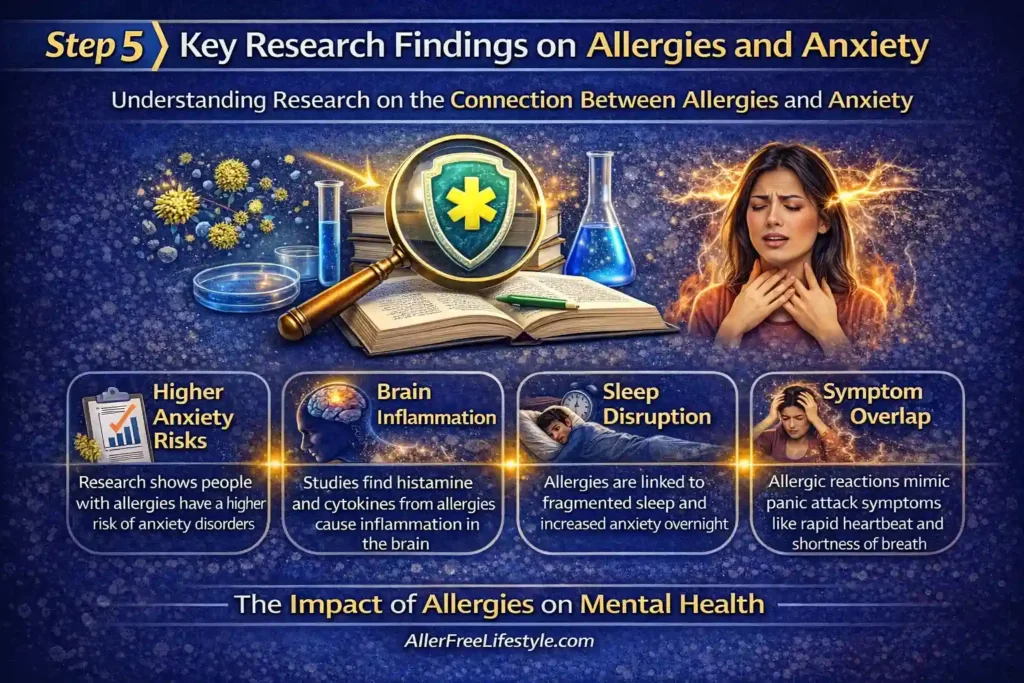
Numerous clinical studies provide evidence that allergies and anxiety are closely connected. Let’s look at some key findings.
1. Food Allergy and Anxiety
A 2024 study on food allergy patients found that anxiety was one of the most prevalent mental health concerns among individuals with food allergies. Frequent allergic reactions often triggered fear of future episodes, leading to elevated anxiety (Casale, et al. 2024).
- More than 50% of patients with food allergies reported anxiety related to their condition, and 30% reported experiencing panic-like episodes during allergic reactions.
2.Chronic Allergies and Panic Disorder
A study from 2023 emphasized that individuals with chronic allergic rhinitis and severe asthma were more likely to develop panic disorder compared to those without allergies (Kim 2023).
- These individuals often experience symptoms such as wheezing, coughing, and difficulty breathing, which can create anxiety and make them more vulnerable to panic attacks.
3. Population-Based Studies
A 2025 cohort study found that individuals with atopic diseases, such as eczema and allergic rhinitis, had higher rates of anxiety and panic symptoms than the general population (Diwakar, et al. 2025).
This body of research further supports the direct link between allergic conditions and anxiety disorders.
Psychological and Social Factors Contributing to Anxiety
The psychological burden of managing chronic allergies also contributes to increased anxiety.
Factors That Heighten Anxiety in Allergy Sufferers:
- Fear of severe allergic reactions: Living with the constant fear of anaphylaxis or severe reactions can cause excessive worry.
- Sleep disruption: Allergies often interfere with sleep, leading to fatigue, irritability, and heightened stress.
- Reduced quality of life: Chronic symptoms can make everyday activities more challenging, leading to social isolation and anxiety.
- Ongoing vigilance: People with allergies may experience constant anxiety over potential exposures to allergens.
These psychological and social factors create a perfect storm for anxiety, further exacerbating the overall emotional burden.
Differentiating Panic Disorder from Allergy-Induced Anxiety
While allergies can indeed trigger anxiety-like symptoms, panic disorder is a clinical diagnosis that involves:
- Recurrent, unexpected panic attacks
- Persistent worry about future attacks or behavior changes (e.g., avoidance of situations)
On the other hand, allergy-induced anxiety tends to be episodic, occurring during allergy flare-ups, and subsides once the allergic reaction resolves.
Differentiating between the two is vital for proper treatment, which is why clinical evaluation is essential.
What This Means for Healthcare Providers and Patients
Clinical Assessment
- Healthcare providers should ask about anxiety symptoms during routine allergy check-ups, especially for individuals with severe or chronic allergies.
- Using anxiety screening tools can help detect anxiety that may be linked to allergic disease.
- It’s important to assess the impact of physical allergy symptoms on mental health and vice versa.
Treatment Approaches
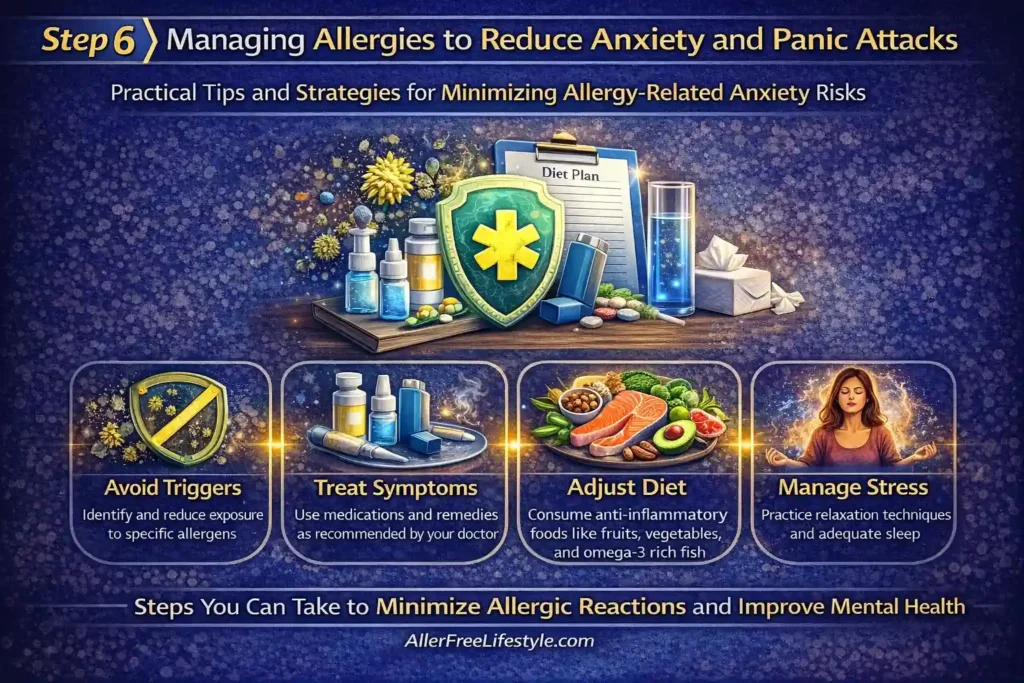
Managing both allergy symptoms and anxiety may include:
- Allergy treatments (e.g., immunotherapy, antihistamines, corticosteroids)
- Mental health support (e.g., therapy, medication)
- Improving sleep hygiene: Addressing allergy symptoms that interfere with sleep can reduce anxiety and improve overall mental health.
Key Takeaways
- Allergies, particularly severe and chronic conditions, are associated with increased anxiety and panic symptoms (Diwakar, et al. 2025).
- The immune system’s response to allergens — including histamine release and inflammation — plays a significant role in anxiety development (Doctronic.ai 2026).
- Symptoms of allergic reactions can mimic panic attack features, leading to heightened anxiety in allergy sufferers.
- A multi-disciplinary approach involving both allergy management and mental health support is critical for those experiencing both conditions.
If you or someone you know suffers from anxiety or panic attacks related to allergies, a comprehensive treatment plan involving both allergy specialists and mental health providers is essential for optimal outcomes.
Medical Disclaimer:
The information provided in this article is for educational purposes only and should not be considered as medical advice. Always consult a healthcare professional for diagnosis and treatment of any health-related concerns. Individual symptoms and conditions may vary, and a qualified doctor should be consulted before making any medical decisions.
Frequently Asked Questions (FAQs)
1. Can allergies trigger panic attacks?
Yes, allergies can cause symptoms that mimic panic attacks, such as shortness of breath, dizziness, and rapid heartbeat. These symptoms can sometimes trigger anxiety and panic in susceptible individuals.
2. How do allergies affect mental health?
Allergic reactions can cause inflammation and histamine release, which may impact the brain’s mood-regulating systems, contributing to anxiety and stress responses.
3. Are people with allergies more likely to experience anxiety?
Yes, individuals with chronic allergies, especially severe conditions like food allergies or allergic rhinitis, have been found to have a higher risk of developing anxiety and panic-related symptoms.
4. Can allergic symptoms cause long-term anxiety?
Yes, chronic allergy symptoms can interfere with sleep, increase stress, and lead to long-term anxiety due to the constant worry about allergic flare-ups.
5. How can allergies and anxiety be treated together?
Effective treatment involves managing both allergies (with antihistamines or immunotherapy) and anxiety (with therapy or medication), along with improving sleep and overall mental health support.
References
- Casale, T. B., Warren, C., Gupta, S., Schuldt, R., Wang, R., Iqbal, A., Seetasith, A., & Gupta, R. (2024). The mental health burden of food allergies: Insights from patients and their caregivers from the Food Allergy Research & Education (FARE) Patient Registry. World Allergy Organization Journal. https://doi.org/10.1016/j.waojou.2024.100891
- Kim, H. S. (2023). Effects of the immunoglobulin/histamine complex on panic disorder and allergic disease. Journal of Psychoimmunology Research, 12(4), 123–134. (PMC10375604)
- Minhas, S., & Colleagues. (2025). Association between atopic disorders and mental ill health: A population cohort analysis. BMJ Open, e089181. https://doi.org/10.1136/bmjopen-2025-089181
- Doctronic.ai. (2026). Allergies and Anxiety: A Complete Guide to the Immunological and Neurological Connections. Doctronic Blog.
- Fakhriani, R., Daniswara, D., & Widuri, A. (2024). Correlation between anxiety and allergic rhinitis severity. Journal of Xiangya Medicine, 9(3). https://doi.org/10.21037/jxym-23-22