

Best Diet for Allergic Rhinitis: Foods That Reduce Allergy Symptoms
Written by: Dr.Muhammad Ihsan Ullah, PhD
Medically reviewed by: Dr. Jamal Ud Din Khan,FCPS
Last updated on July 9, 2026
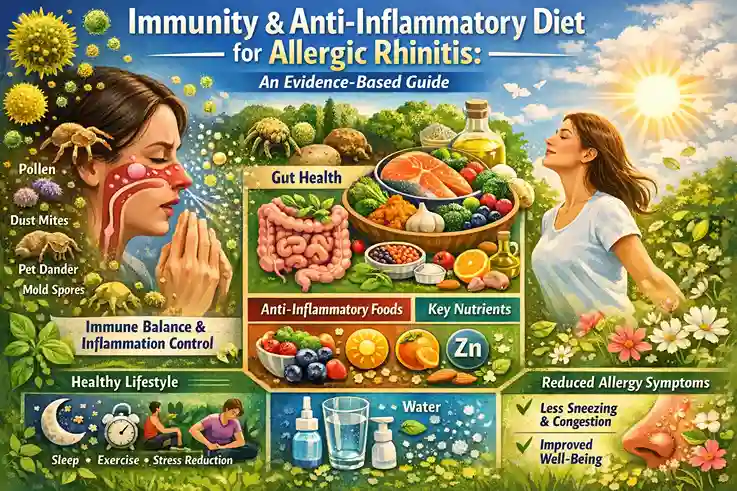
Managing allergic rhinitis symptoms like sneezing, congestion, and itchy eyes can be challenging, especially during seasonal changes. Many people search for what to eat for allergic rhinitis and whether an anti-inflammatory diet for allergies can help reduce symptoms naturally. While allergic rhinitis is caused by an overactive immune response, the right dietary choices can support immune balance, reduce inflammation, and improve overall comfort. Following the best diet for allergic rhinitis can play an important role in managing symptoms alongside medical treatment.
What is the best diet for allergic rhinitis?
The best diet for allergic rhinitis is an anti-inflammatory, whole-food diet that includes fruits, vegetables, omega-3–rich foods, and gut-friendly options like yogurt and fiber-rich foods. This type of diet may help reduce inflammation, support immune balance, and improve allergy symptoms when combined with proper medical care.
Best Foods for Allergic Rhinitis
The best foods for allergic rhinitis are whole, anti-inflammatory foods that support immune balance, gut health, and nasal comfort. Food does not cure allergic rhinitis, but a better diet may help reduce the overall inflammatory load on the body.
Good foods for allergic rhinitis include:
- vitamin C fruits such as oranges, kiwi, strawberries, guava, and grapefruit
- colorful vegetables such as spinach, broccoli, carrots, bell peppers, and leafy greens
- omega-3 foods such as salmon, sardines, chia seeds, flaxseeds, and walnuts
- fiber-rich foods such as oats, lentils, beans, apples, and whole grains
- probiotic foods such as yogurt with live cultures, kefir, and fermented vegetables
- antioxidant-rich foods such as berries, green tea, herbs, and spices
- warm fluids such as soup, warm water, and herbal tea
The best approach is not one single “miracle food.” A balanced pattern of fruits, vegetables, fiber, healthy fats, and minimally processed meals is more useful than relying on one supplement or one ingredient.
Best Fruits for Allergic Rhinitis
Fruits can be helpful in an allergic rhinitis diet because many contain vitamin C, antioxidants, polyphenols, water, and fiber. These nutrients may support immune regulation and help the body manage inflammation.
Some of the best fruits for allergic rhinitis include:
- kiwi
- oranges
- strawberries
- blueberries
- blackberries
- guava
- apples
- pineapple
- papaya
- grapes
- pomegranate
Vitamin C-rich fruits may support antioxidant defense and nasal tissue health. Berries provide polyphenols that may help support a balanced inflammatory response. Apples contain quercetin, a plant compound often discussed for allergy support.
However, fruits should be chosen according to individual tolerance. Some people with pollen allergy may notice oral itching or throat irritation after eating certain raw fruits because of pollen-food cross-reactivity. If a fruit repeatedly worsens symptoms, avoid it and discuss it with a clinician or allergist.
Understanding Immunity in Allergic Rhinitis

In allergic rhinitis:
- The immune system produces IgE antibodies
- Mast cells release histamine and inflammatory mediators
- Nasal tissues become swollen, itchy, and congested
This process reflects immune hypersensitivity, not immune deficiency.
Therefore, lifestyle strategies focus on:
- Reducing chronic inflammation
- Supporting mucosal barrier integrity
- Modulating immune signaling
Improving gut–immune interaction
The Gut–Immune–Allergy Connection
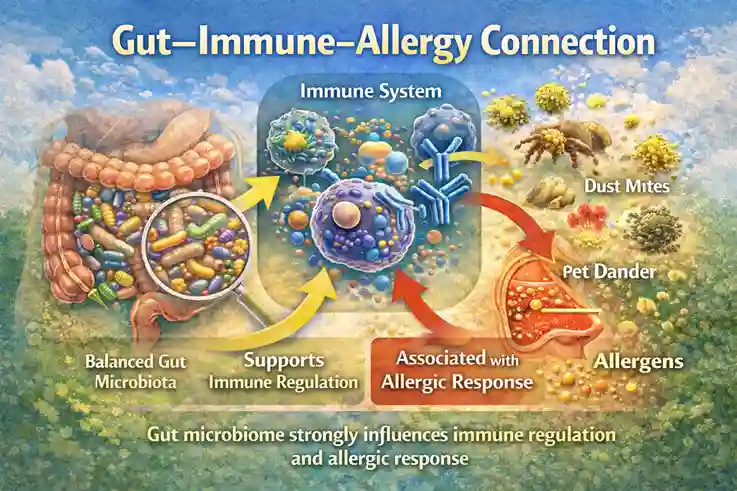
More than 70% of immune cells reside in the gut, and gut microbiota strongly influence immune tolerance.
Studies show:
- Gut dysbiosis is associated with allergic diseases
- Balanced gut microbiota supports immune regulation
- Diet directly shapes immune response patterns
Supporting gut health is a core pillar of allergy-friendly living (Noverr & Huffnagle, 2004).
Anti-Inflammatory Diet Pattern for Allergic Rhinitis
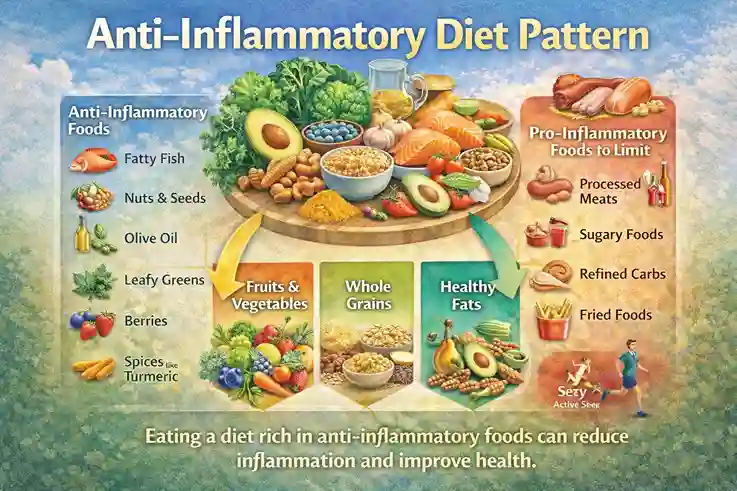
Rather than focusing on single “superfoods,” evidence supports dietary patterns that reduce systemic inflammation.
Core Principles
- Whole, minimally processed foods
- High antioxidant intake
- Adequate omega-3 fatty acids
- Reduced ultra-processed foods
Stable blood sugar levels
Foods That Support Immune Balance & Allergy Control
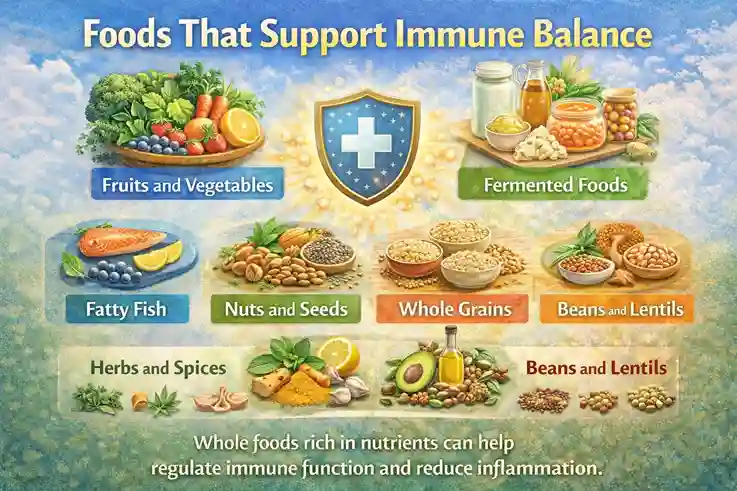
Omega-3 Fatty Acid–Rich Foods
Examples:
- Fatty fish (salmon, sardines)
- Flaxseeds
- Chia seeds
- Walnuts
Why they help:
Omega-3 fatty acids reduce inflammatory mediator production and may counterbalance allergic inflammation (Calder, 2017).
Antioxidant-Rich Fruits & Vegetables
Examples:
- Berries
- Citrus fruits
- Spinach
- Broccoli
- Bell peppers
Benefits:
- Neutralize oxidative stress
- Support nasal mucosal integrity
- Reduce inflammatory burden
Foods Supporting Gut Microbiota
Examples:
- Yogurt with live cultures
- Kefir
- Fermented vegetables
- Fiber-rich foods (oats, legumes)
Healthy gut flora supports immune tolerance and reduces allergic sensitization.
Natural Anti-Inflammatory Foods
Examples:
- Turmeric
- Ginger
- Garlic
- Green tea
These contain bioactive compounds that modulate inflammatory pathways.
Allergic Rhinitis Foods to Eat: Simple List
If you want a simple allergic rhinitis food list, focus on meals that are fresh, colorful, fiber-rich, and low in ultra-processed ingredients.
Foods to eat more often:
- fruits: kiwi, oranges, berries, apples, guava
- vegetables: spinach, broccoli, carrots, bell peppers, onions
- healthy fats: olive oil, walnuts, chia seeds, flaxseeds
- omega-3 foods: salmon, sardines, tuna, chia, flaxseed
- whole grains: oats, brown rice, whole wheat, quinoa
- legumes: lentils, beans, chickpeas
- probiotic foods: yogurt, kefir, fermented vegetables
- fluids: water, soups, warm drinks, herbal teas
A simple plate method can help:
- half plate: vegetables and fruits
- quarter plate: whole grains or fiber-rich carbohydrates
- quarter plate: protein such as fish, eggs, beans, lentils, chicken, or yogurt
- add small amounts of healthy fats such as olive oil, nuts, or seeds
This style of eating supports overall health and may help allergic rhinitis management when combined with allergen control and proper treatment.
Micronutrients Important for Allergic Rhinitis

Vitamin D
Low vitamin D levels are associated with increased allergic rhinitis severity.
Sources:
- Sunlight
- Fortified foods
- Supplements (if deficient)
Vitamin D supports immune regulation rather than immune stimulation (Wang et al., 2019).
Vitamin C
Acts as a mild natural antihistamine and antioxidant.
Sources:
- Citrus fruits
- Kiwi
- Strawberries
- Bell peppers
Zinc
Supports epithelial barrier integrity and immune signaling.
Sources:
- Nuts
- Seeds
- Whole grains
- Meat and legumes
Hydration & Nasal Mucosal Health
Adequate hydration:
- Keeps nasal mucus thin
- Improves sinus drainage
- Reduces irritation
Tip:
Aim for consistent fluid intake throughout the day rather than large volumes at once.
Foods & Habits That May Worsen Allergy Symptoms
Some people report symptom worsening with:
- Highly processed foods
- Excess sugar
- Alcohol
- Artificial additives
- Very spicy foods (in sensitive individuals)
Triggers vary individually; symptom journaling helps identify patterns.
Foods to Avoid With Allergic Rhinitis
There is no single food that every person with allergic rhinitis must avoid. However, some foods and eating habits may worsen inflammation, mucus discomfort, reflux, sleep quality, or symptom perception in sensitive people.
Foods and habits to limit include:
- ultra-processed snacks
- high-sugar foods and drinks
- frequent fried foods
- excessive alcohol
- highly refined carbohydrates
- artificial additives if they trigger symptoms
- very spicy foods if they worsen runny nose
- foods that personally trigger throat itching, congestion, or mucus discomfort
The goal is not to create a strict fear-based diet. The goal is to identify your own triggers while keeping the diet balanced and sustainable.
A food and symptom diary can help. Write down what you ate, your allergy symptoms, pollen exposure, sleep quality, and medication use. This can show whether food is really affecting symptoms or whether pollen, dust, pets, mold, or weather changes are the real trigger.
Can Dairy, Sugar, or Spicy Foods Worsen Allergic Rhinitis?
Dairy, sugar, and spicy foods do not worsen allergic rhinitis in everyone, but some people feel more congestion, mucus thickness, throat irritation, or runny nose after eating them.
Dairy:
Dairy does not cause allergic rhinitis for most people. However, some individuals feel thicker mucus or throat discomfort after milk or creamy foods. If dairy clearly worsens your symptoms, try tracking it in a symptom diary instead of removing it permanently without reason.
Sugar:
High sugar intake may support inflammation and poor overall health when consumed often. It is better to reduce sugary drinks, sweets, and ultra-processed snacks and replace them with fruits, whole grains, nuts, yogurt, and balanced meals.
Spicy foods:
Spicy foods can trigger a runny nose in some people, especially those with non-allergic rhinitis or mixed rhinitis. This reaction is not always an allergy. It may be a nerve-related nasal response to spice.
The best approach is personal tracking. Avoid only the foods that repeatedly worsen your symptoms, and do not follow a highly restrictive diet unless advised by a healthcare professional.
Role of Natural Supplements
Some supplements show modest benefit, but none replace medical therapy.
Supplements with limited evidence:
- Quercetin
- Butterbur (PA-free only)
- Probiotics (strain-specific)
⚠️ Always consult a healthcare provider before using supplements, especially with medications.
Lifestyle Factors That Support Immune Balance
Nutrition works best when combined with:
- Consistent sleep (7–9 hours)
- Stress reduction
- Gentle physical activity
- Breathing exercises
- Environmental allergen control
These factors reduce inflammatory load and improve immune resilience.
What Nutrition Can and Cannot Do
✔ Can:
- Reduce symptom severity
- Support immune regulation
- Improve nasal comfort
- Enhance overall health
❌ Cannot:
- Cure allergic rhinitis
- Replace prescribed medication
- Eliminate severe allergies alone
Balanced nutrition is supportive, not curative.
One-Day Anti-Inflammatory Diet Plan for Allergic Rhinitis
This sample plan is not a cure for allergic rhinitis, but it shows how to build an allergy-supportive day of eating.
Breakfast:
Oats with yogurt, berries, chia seeds, and walnuts. Add water or herbal tea.
Mid-morning:
Kiwi, orange, or guava for vitamin C support.
Lunch:
Grilled fish, lentils, or chicken with brown rice or quinoa, plus spinach, broccoli, carrots, or bell peppers.
Snack:
Apple slices with nuts, or kefir/yogurt with live cultures if tolerated.
Dinner:
Vegetable soup, beans or fish, olive oil-based salad, and whole-grain bread or rice.
Before bed:
Warm water or caffeine-free herbal tea if it helps throat irritation or post-nasal drip comfort.
This type of meal plan supports fiber intake, antioxidants, omega-3 fats, hydration, and gut-friendly foods. It should be combined with dust control, pollen avoidance, nasal care, and medical treatment when symptoms are moderate or severe.
When to Seek Medical Guidance
Consult a healthcare professional if:
- Symptoms persist despite lifestyle changes
- Asthma symptoms occur
- Frequent sinus infections develop
- Considering supplements or elimination diets
Medical Review Disclaimer
This article is for informational and educational purposes only and does not constitute medical advice. The content is written by a qualified healthcare professional and medically reviewed for accuracy. However, it should not be used as a substitute for professional medical diagnosis, treatment, or advice. Always consult a licensed healthcare provider regarding any medical condition or health concern.
Frequently Asked Questions (FAQs)
What is the best diet for allergic rhinitis?
The best diet for allergic rhinitis is an anti-inflammatory, whole-food diet with fruits, vegetables, omega-3 foods, fiber-rich foods, probiotic foods, and plenty of fluids. Diet can support symptom control but does not replace medical treatment.
What are the best foods for allergic rhinitis?
Good foods for allergic rhinitis include berries, citrus fruits, kiwi, apples, spinach, broccoli, fatty fish, chia seeds, flaxseeds, walnuts, oats, yogurt with live cultures, kefir, lentils, beans, and green tea.
What are the best fruits for allergic rhinitis?
Some of the best fruits for allergic rhinitis include kiwi, oranges, strawberries, blueberries, guava, apples, pineapple, papaya, grapes, and pomegranate. Choose fruits you tolerate well, especially if you have pollen-food sensitivity.
What foods should I avoid with allergic rhinitis?
Avoid or limit foods that personally worsen symptoms. Common suspects include ultra-processed foods, high-sugar foods, alcohol, fried foods, very spicy foods, and foods that trigger throat itching or congestion in sensitive people.
Can diet cure allergic rhinitis permanently?
No, diet cannot permanently cure allergic rhinitis. A healthy diet may reduce inflammation and support immune balance, but allergic rhinitis usually also needs allergen control, nasal care, medicine, or allergy treatment when symptoms are persistent.
Is vitamin C good for allergic rhinitis?
Vitamin C-rich foods may support antioxidant defense and nasal tissue health. Citrus fruits, kiwi, strawberries, guava, and bell peppers are good sources. Vitamin C should be seen as supportive, not as a stand-alone cure.
Are probiotics good for allergic rhinitis?
Probiotics may help some people with allergic rhinitis, but the benefit can depend on the strain, dose, and person. Yogurt, kefir, and fermented foods may support gut health, but supplements should be discussed with a healthcare professional.
Is dairy bad for allergic rhinitis?
Dairy is not bad for everyone with allergic rhinitis. Some people feel more mucus or throat discomfort after dairy, while others tolerate it well. Track your own symptoms before removing dairy from your diet.
Can spicy foods worsen allergic rhinitis?
Spicy foods can trigger a runny nose in some people, but this may be due to nasal nerve sensitivity rather than true allergy. If spicy foods repeatedly worsen your symptoms, reduce them and monitor your response.
What should I eat during allergy season?
During allergy season, eat more fruits, vegetables, omega-3 foods, fiber-rich meals, probiotic foods if tolerated, and drink enough fluids. Also reduce pollen exposure, keep windows closed when needed, and follow your allergy treatment plan.
References
Bousquet, J., Klimek, L., Togias, A., Zuberbier, T., Agache, I., Ansotegui, I. J., … Wallace, D. V. (2020). Next-generation allergic rhinitis and its impact on asthma (ARIA). Journal of Allergy and Clinical Immunology, 145(3), 895–909. https://doi.org/10.1016/j.jaci.2019.12.898
Calder, P. C. (2017). Omega-3 fatty acids and inflammatory processes. Nutrients, 9(9), 989. https://doi.org/10.3390/nu9090989
Klimek, L., Bousquet, J., Pfaar, O., Bachert, C., Hellings, P. W., & Agache, I. (2024). Current management of allergic rhinitis: Pharmacologic and non-pharmacologic options. Journal of Allergy and Clinical Immunology: In Practice, 12(2), 215–229. https://doi.org/10.1016/j.jaip.2023.11.012
Noverr, M. C., & Huffnagle, G. B. (2004). Does the microbiota regulate immune responses outside the gut? Trends in Microbiology, 12(12), 562–568. https://doi.org/10.1016/j.tim.2004.10.008
Wang, Y., Li, J., Guo, S., & Zhao, L. (2019). Vitamin D deficiency and allergic rhinitis. American Journal of Rhinology & Allergy, 33(3), 308–314. https://doi.org/10.1177/1945892419826971