Allergic Rhinitis (Hay Fever) Treatment: Complete Step-By-Step Guide for Fast Relief & Long-Term Control
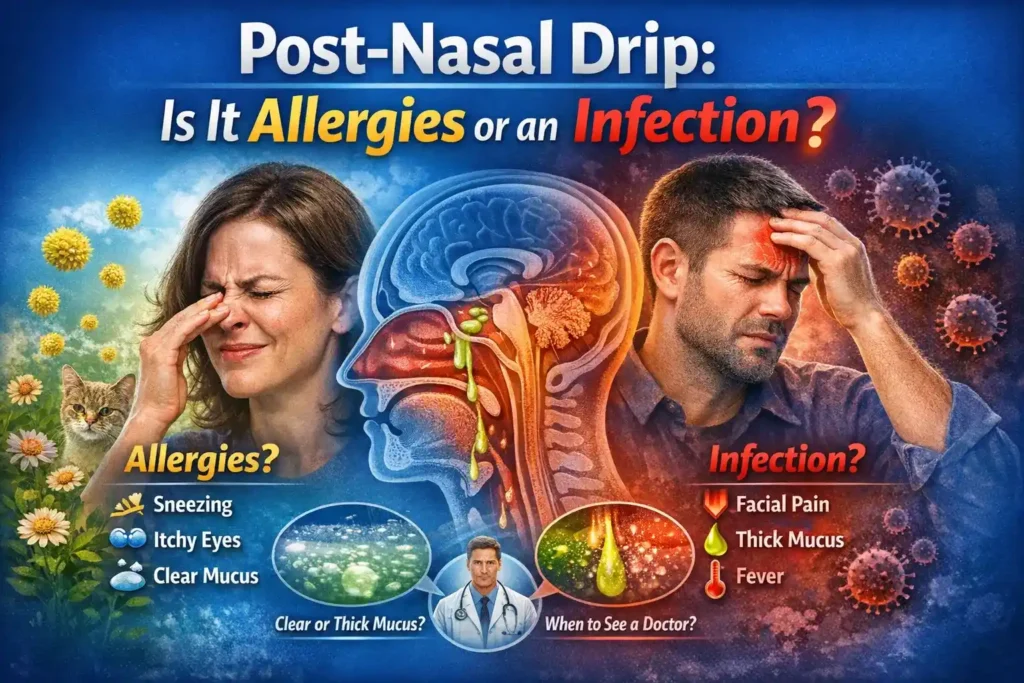
Allergic rhinitis, commonly known as hay fever, is an inflammatory condition triggered by allergens such as pollen, dust mites, pet dander, mold spores, and cockroach particles (Klimek et al., 2024). These allergens activate immune cells and lead to sneezing, nasal congestion, runny nose, itching, watery eyes, and sinus pressure.
Although allergic rhinitis cannot be permanently cured, the right treatment plan can dramatically reduce symptoms and improve quality of life (Bousquet et al., 2020).
What Are the Goals of Allergic Rhinitis Treatment?
Doctors aim to:
- Reduce day-to-day symptoms
- Control inflammation inside the nose (Dykewicz et al., 2020)
- Prevent complications like sinusitis, ear infections, and asthma flares
- Improve sleep, productivity, and well-being
- Provide long-term immune stability through immunotherapy (Blaiss et al., 2024)
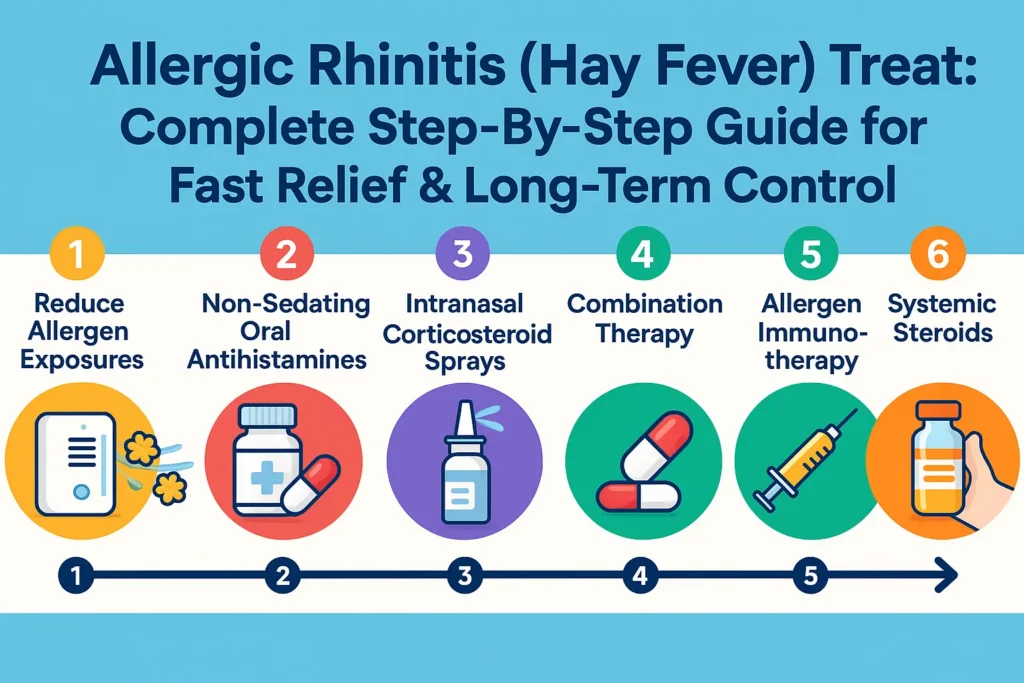
Step-By-Step Treatment Approach for Allergic Rhinitis
This evidence-based treatment plan follows AAAAI, ACAAI, and ARIA clinical guidelines (Bousquet et al., 2020).
Step 1: Reduce Allergen Exposure (The Most Underrated Step)
The studies have shown that environmental control significantly improves symptoms and reduces medication needs (Klimek et al., 2024).
Effective Strategies
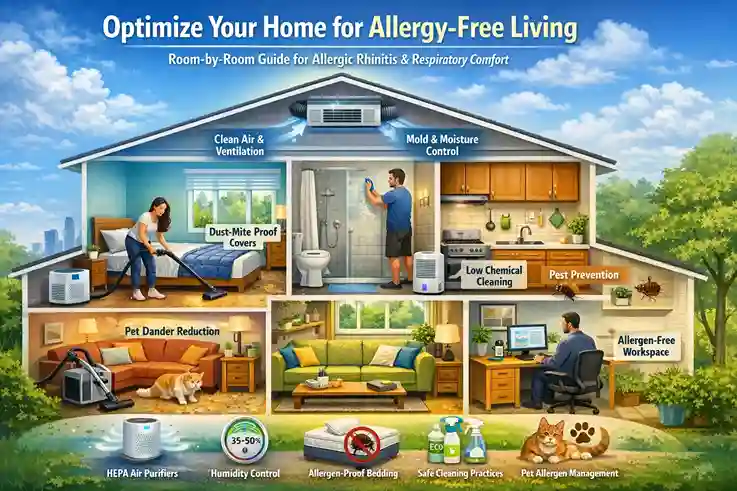
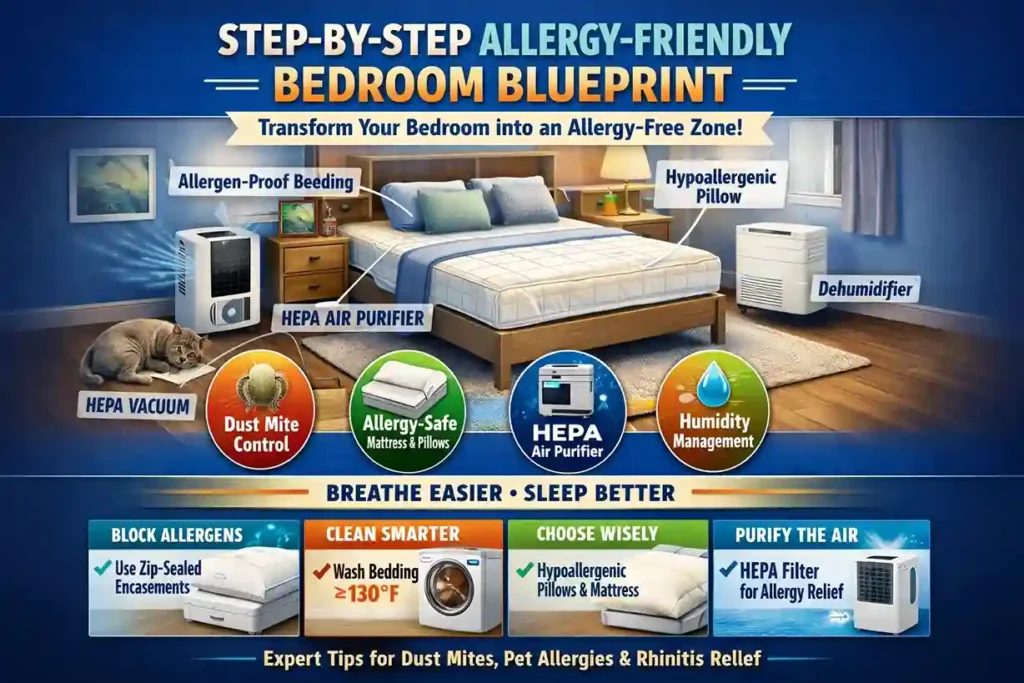
- Keep windows closed on high-pollen days
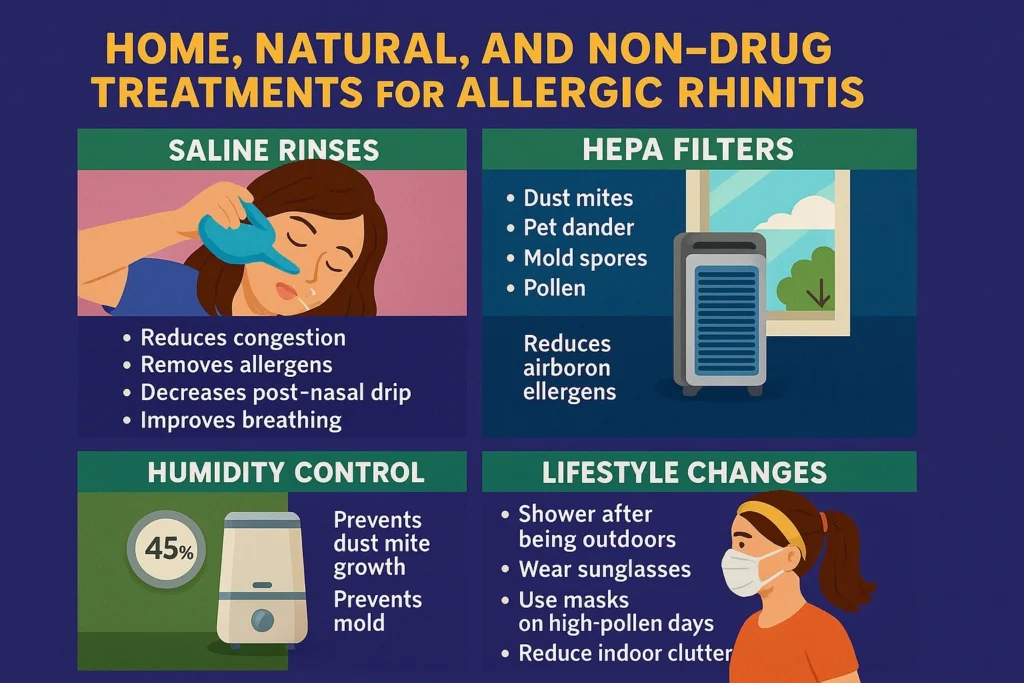
- Use HEPA air purifiers, which reduce airborne allergens (Reisman et al., 1990)
- Wash bedding weekly in hot water (≥130°F / 54°C)
- Use dust-mite-proof mattress and pillow covers
- Avoid drying clothes outdoors
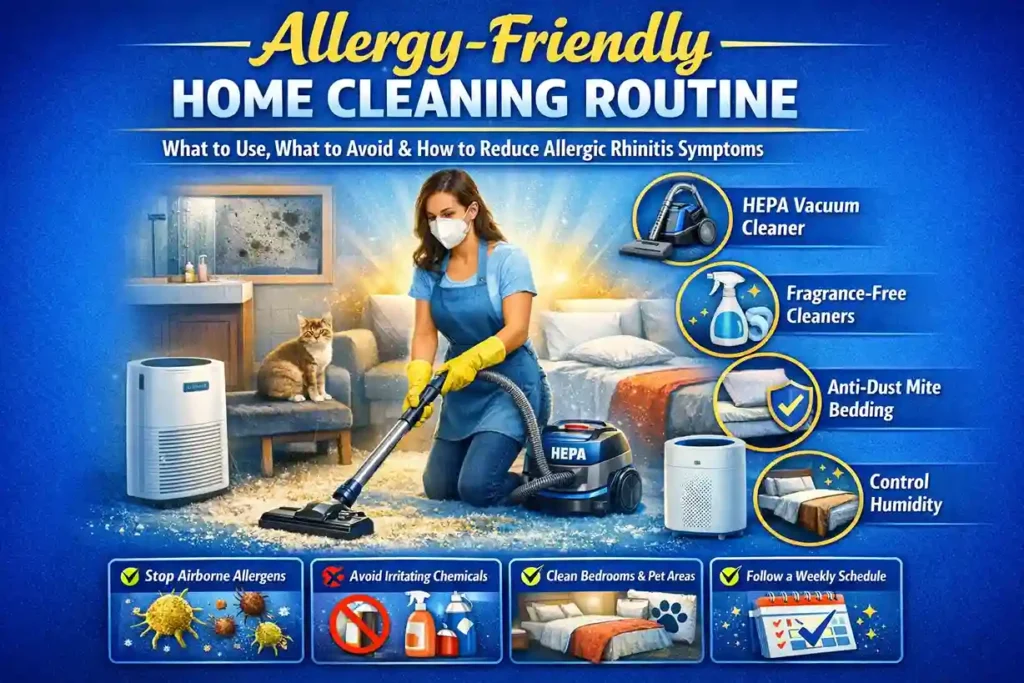
- Remove mold using cleaning solutions
- Check daily pollen forecast
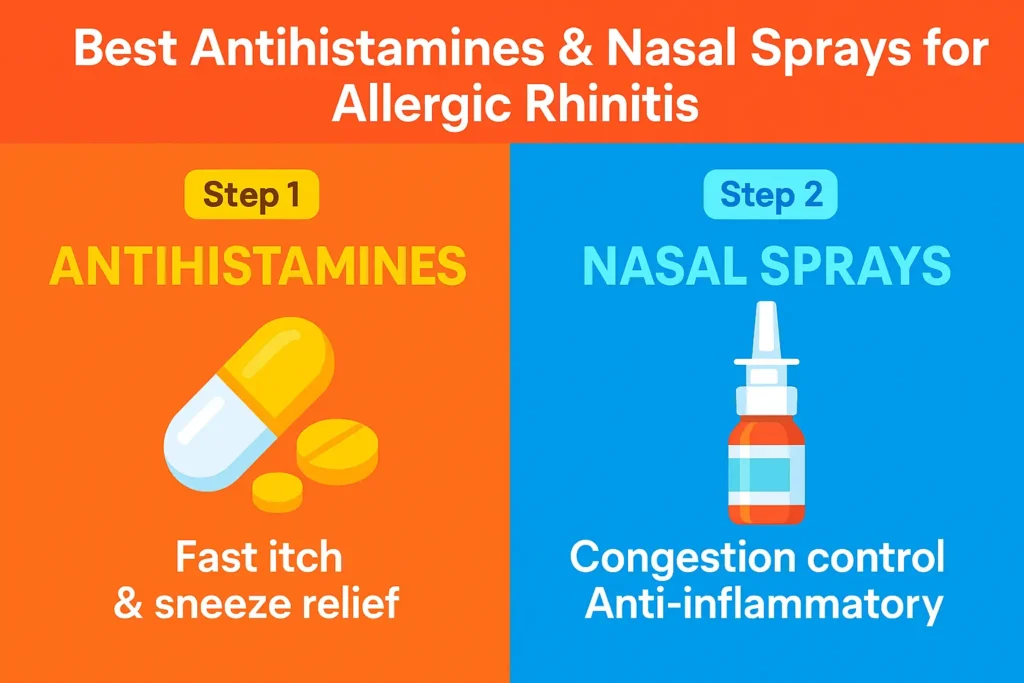
Step 2: Best Non-drowsy Antihistamines for Allergic Rhinitis
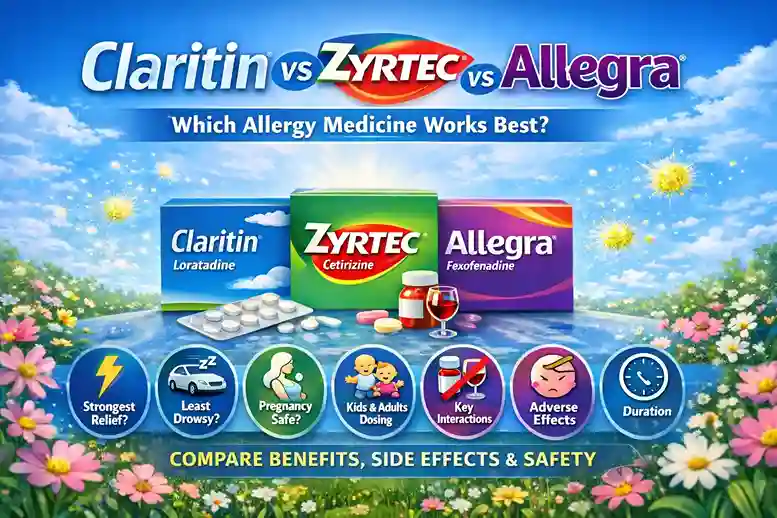
Oral antihistamines relieve itching, sneezing, runny nose, and watery eyes (Linton et al., 2023).
Common options include:
- Cetirizine
- Levocetirizine
- Loratadine
- Desloratadine
- Fexofenadine
Step 3: Best Nasal Corticosteroid Sprays for Allergic Rhinitis Congestion
Intranasal corticosteroids are first-line therapy for moderate to severe symptoms (Klimek et al., 2024; Sousa-Pinto et al., 2024).
Effective sprays:
- Fluticasone
- Mometasone
- Budesonide
- Beclomethasone
- Triamcinolone
They relieve:
- Congestion
- Sneezing
- Itching
- Runny nose
Step 4:Combination Therapy
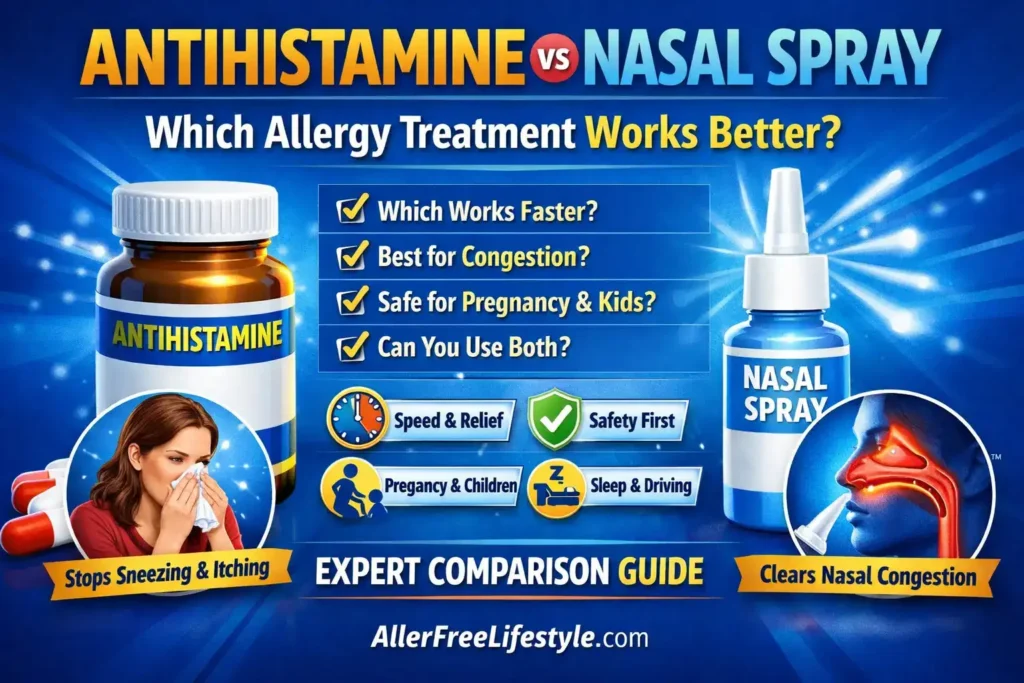
In clinical settings it is often asked by the patients that should I combine nasal spray and antihistamine. According to guidelines when symptoms persist despite monotherapy, combination treatment is much helpful to relief symptoms (Sousa-Pinto et al., 2024).
Options include:
- Steroid spray + intranasal antihistamine (most effective combo)
- Steroid spray + oral antihistamine
- Montelukast (for selected asthma cases)
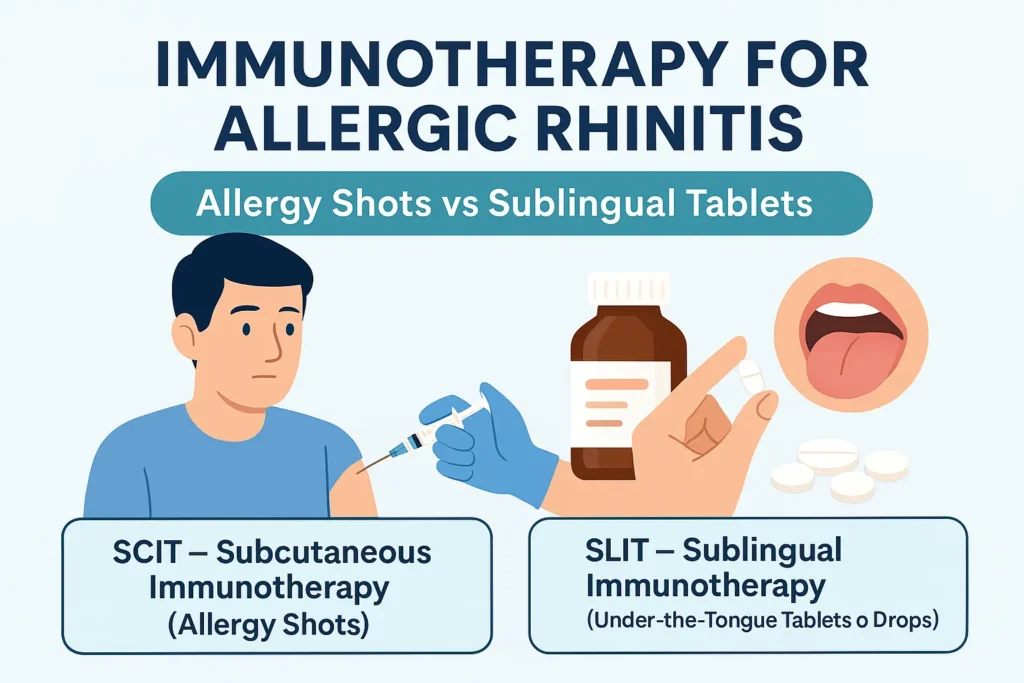
Step 5: Allergen Immunotherapy (Long-Term Relief & Disease Modification)
During assessment patients also ask can allergen immunotherapy cure allergic rhinitis. Studies show that immunotherapy retrains the immune system and provides lasting improvement (Blaiss et al., 2024; Wang et al., 2025).
1. Allergy Shots (SCIT)
- Given at clinics
- Effective for pollen, dust mites, pet dander, and mold
- High success rates (Jin et al., 2025)
2. Sublingual Immunotherapy Tablets (SLIT)
- Melt under the tongue
- FDA-approved for:
- Dust mites
- Grass pollen
- Ragweed allergies
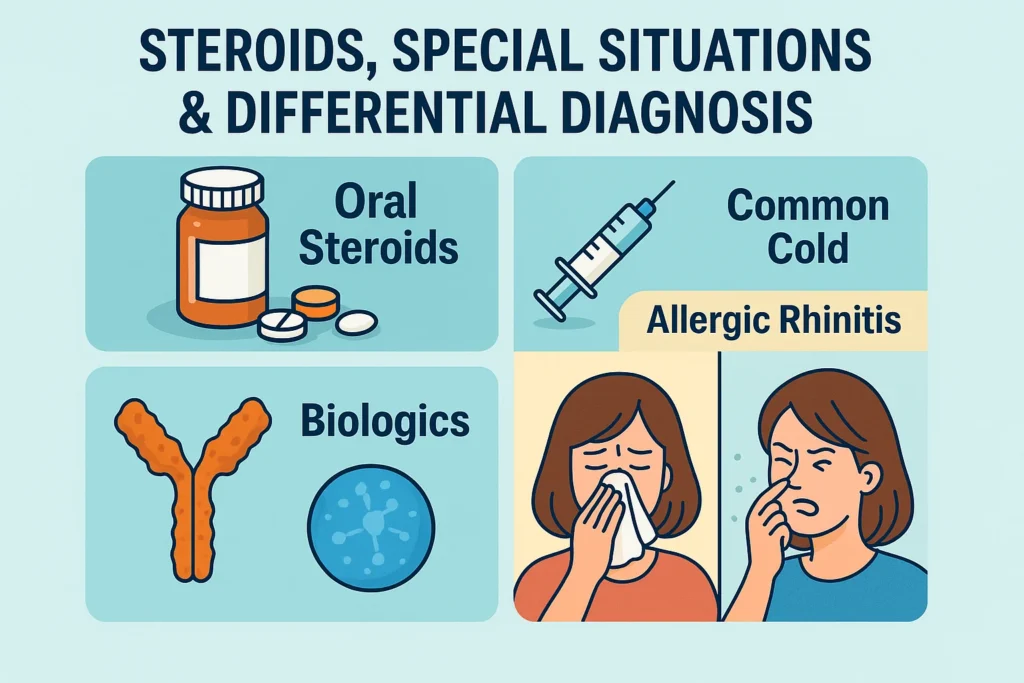
Step 6: Systemic Steroids (Short-Term Only)
Oral or injectable steroids provide powerful but temporary relief and must be used with caution (Klimek et al., 2024).
Comparison Table — Main Treatment Options
When to Start Treatment Before Allergy Season
Best timing according to ARIA guidelines (Bousquet et al., 2020):
- Start antihistamines before symptoms begin
- Start nasal steroids 1–2 weeks before seasonal pollen rise
- Maintain continuous therapy for best results
When to See an Allergist or ENT Specialist
Consult a specialist if:
- Symptoms last > 4 weeks
- OTC medications do not help
- You have asthma symptoms
- You experience frequent sinus infections
- You want to evaluate immunotherapy (Klimek et al., 2024)
Daily Routine for Managing Allergic Rhinitis
Managing allergic rhinitis becomes much easier when you follow a consistent daily routine. Small habits throughout the day can significantly reduce exposure to allergens, improve nasal comfort, and enhance the effectiveness of your medications. Here is a simple, practical routine you can follow
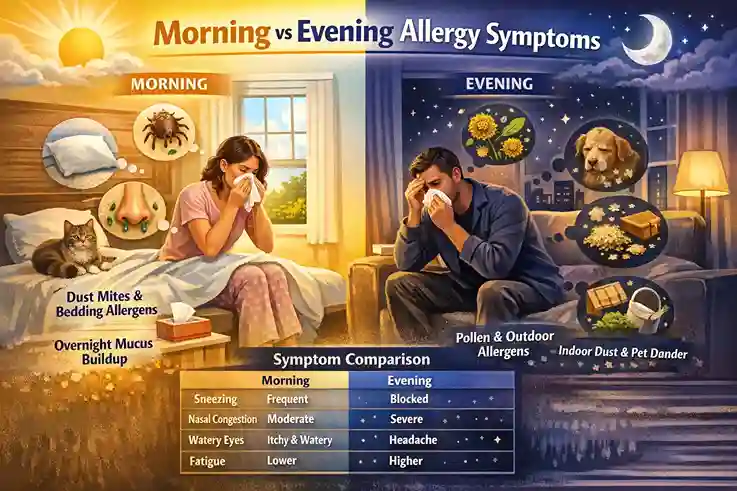
Morning Routine
- Use your nasal steroid spray (if prescribed) to reduce inflammation and protect your nose before allergen exposure begins.
- Rinse your nose with saline to remove allergens and clear mucus.
- Check pollen levels on weather apps to plan your day.
- Keep windows closed while getting ready to avoid pollen entering your home.
Daytime Routine
- Avoid touching your nose and eyes, as this can worsen symptoms.
- Wear sunglasses outdoors to reduce exposure to airborne pollen.
- Use a mask during high-pollen seasons or when cleaning dusty areas.
- Stay hydrated, as it helps thin mucus and improves airflow.
Evening Routine
- Shower and change clothes after returning home to wash off pollen and dust.
- Use saline irrigation again if symptoms are worse in the evening.
- Turn on a HEPA air purifier in your bedroom to reduce dust mites, pet dander, and pollen.
- Avoid pets sleeping on your bed if you’re sensitive to pet dander.
Night Routine
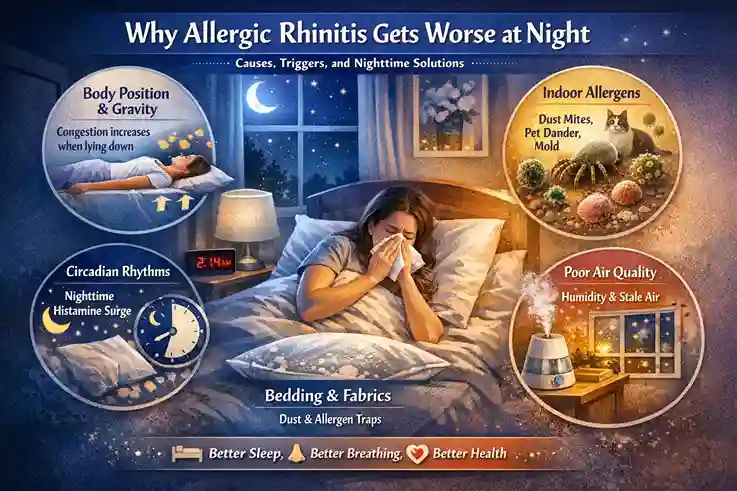
- Use antihistamines (if recommended by your doctor), especially if nighttime symptoms disturb your sleep.
- Keep bedroom humidity between 40–50% to reduce mold and dust mite growth.
- Use dust-mite-proof covers on pillows and mattresses.
Weekly Checklist
- Wash bedding in hot water (≥130°F / 54°C).
- Vacuum carpets and sofas with a HEPA vacuum.
- Clean air purifier filters.
- Remove mold from bathrooms and damp areas.
Key Takeaways
- Allergic rhinitis is highly treatable with the right plan.
- Intranasal steroids are the most effective first-line treatment.
- Oral antihistamines help itching/sneezing but not congestion (Linton et al., 2023).
- Trigger control boosts treatment success (Bousquet et al., 2020).
- Immunotherapy provides long-term symptom reduction (Wang et al., 2025).
- Systemic steroids should only be used briefly in severe cases.
Frequently Asked Questions (FAQs)
1.Can Allergic Rhinitis be cured?
No. It cannot be permanently cured, but symptoms can be greatly reduced with proper treatment and immunotherapy.
2. What is the most effective treatment?
Nasal steroid sprays (like fluticasone or mometasone). They work best for overall symptom control.
3. Which antihistamine is best?
Second-generation options such as cetirizine, loratadine, and fexofenadine. They work well with minimal drowsiness.
4. When should I start allergy medicine before pollen season?
Start nasal steroids 1–2 weeks before pollen season. Start antihistamines a few days before symptoms begin.
5. Can I use antihistamines and nasal sprays together?
Yes. Combining a nasal steroid with an intranasal antihistamine gives stronger, faster relief in moderate–severe cases.
6. Is immunotherapy (allergy shots or tablets) worth it?
Yes. It is the only treatment that changes the long-term allergic response and reduces symptoms for years.
7. When should I see an allergist or ENT?
If symptoms last more than 4 weeks, don’t improve with OTC medicines, or you want allergy testing or immunotherapy.
References
Blaiss, M. S., Nolte, H., Lu, S., Maloney, J., & Skoner, D. P. (2024). Sublingual tablet immunotherapy improves quality of life in adults with allergic rhinoconjunctivitis. Journal of Allergy and Clinical Immunology: In Practice, 12(4), 1015–1024. https://doi.org/10.1016/j.jaip.2024.01.015
Bousquet, J., Klimek, L., Togias, A., Zuberbier, T., Agache, I., Ansotegui, I. J., … Wallace, D. V. (2020). Next-generation allergic rhinitis and its impact on asthma (ARIA). Journal of Allergy and Clinical Immunology, 145(3), 895–909. https://doi.org/10.1016/j.jaci.2019.12.898
Indolfi, C., Klain, A., Dinardo, G., Grella, C., Di Filippo, P., Fatica, I., Napolano, V., Decimo, F., & Miraglia del Giudice, M. (2025). Azelastine–fluticasone combination therapy in allergic rhinitis. Pharmaceuticals, 18(11), 1624. https://doi.org/10.3390/ph18111624
Jin, L., Fan, K., Zhou, S., Wang, Y., Tan, S., Long, B., & Yu, S. (2025). Age-stratified efficacy of subcutaneous immunotherapy for allergic rhinitis. Biomedicines, 13(11), 2831. https://doi.org/10.3390/biomedicines13112831
Klimek, L., Bousquet, J., Pfaar, O., Bachert, C., Hellings, P. W., & Agache, I. (2024). Current management of allergic rhinitis. Journal of Allergy and Clinical Immunology: In Practice, 12(2), 215–229. https://doi.org/10.1016/j.jaip.2023.11.012
Linton, S., Hossenbaccus, L., & Ellis, A. K. (2023). Evidence-based antihistamine use. Annals of Allergy, Asthma & Immunology, 131(4), 412–420. https://doi.org/10.1016/j.anai.2023.07.019
Sousa-Pinto, B., Vieira, R. J., Brożek, J. L., Cardoso-Fernandes, A., Lourenço-Silva, N., Ferreira-da-Silva, R., … Fonseca, J. A. (2024). Intranasal antihistamines and corticosteroids. Journal of Allergy and Clinical Immunology, 154(2), 340–354. https://doi.org/10.1016/j.jaci.2024.02.012
Torres, M. I., Smith, L. E., Patel, P., & Durham, S. R. (2024). Intranasal vs oral treatments for allergic rhinitis. Journal of Allergy and Clinical Immunology: In Practice, 12(6), 1330–1344. https://doi.org/10.1016/j.jaip.2024.03.021
Wang, Z., Li, Y., Chen, X., & Zhang, H. (2025). Safety and efficacy of SLIT. European Archives of Oto-Rhino-Laryngology, 282(7), 3121–3135. https://doi.org/10.1007/s00405-025-09664-7